“I’ve traveled to a lot of places where the word “magical” gets thrown around loosely. But when the pilot banked the plane sharply between two 18,000-foot peaks to land in Paro Valley, my knuckles white on the armrest, I realized Bhutan wasn’t just magical—it was otherworldly.”
Bhutan's Overview
Bhutan the “Land of the Thunder Dragon”, is a small landlocked country located in South Asia, between India and China. The country feels like a time capsule, but with 5G. It is a place where monks check their smartphones in centuries-old courtyards and where mythical beasts are painted on the sides of modern concrete houses. Bhutan is not your typical backpacker stop nor is it a place you go to party. It is a place you go to reset. The “High Value” policy works—you never feel like a commodity here; you feel like a guest. It is a kingdom that prioritizes Gross National Happiness over GDP, where chilies are a vegetable rather than a spice, and where traffic lights don’t exist because the locals found them too impersonal.
Safety: Bhutan is arguably one of the safest countries you will visit. The crime rate is incredibly low. As a traveler, you are treated with immense respect. The locals are soft-spoken, deeply religious (Vajrayana Buddhism permeates everything), and genuinely curious about outsiders. You won’t face touts hassling you for taxi rides or scams at the market. It is peaceful in a way that actually forces your blood pressure down.
The “High Value, Low Volume” Policy (The Visa & SDF)
This is the most important part of planning your trip. You cannot just show up in Bhutan. The country operates on a “High Value, Low Volume” tourism policy to protect its culture and environment.
The Visa: Unless you are from India, Bangladesh, or the Maldives, you need a visa. It costs $40 USD. You usually cannot apply for this entirely on your own; it is processed through your hotel or tour operator.
The SDF (Sustainable Development Fee): This is the kicker. Every tourist must pay a daily fee to be in the country. As of late 2025/2026, the fee is $100 USD per person, per night (down from the previous $200).
Note: This fee does not cover your hotel, food, or guide anymore (it used to, years ago). It is purely a tax that goes toward free healthcare and education for Bhutanese citizens.
Tip: Children aged 6-12 get a 50% discount, and those under 6 are free.
Insurance is also Mandatory: You generally cannot get your visa approved without proof of travel insurance. The healthcare in Bhutan is free for locals, but not for you. Given the high altitude and winding roads, you want coverage that includes medical evacuation.
Connectivity: You will be surprised by how connected Bhutan is. I bought aYou can buy a B-Mobile SIM card at Paro Airport (there is a counter right after customs).
Speed: 4G and even 5G are available in major towns like Thimphu and Paro.
Wi-Fi: Most hotels have it, but it can be spotty in the evenings when everyone logs on. If you need to work, rely on your mobile data hotspot.
Flights And Transportation
Bhutan has only one international airport, Paro International Airport (PBH), which is considered one of the most scenic and challenging airports in the world. It is surrounded by mountains, and only a few pilots are certified to land there. There are a few small domestic airports inside Bhutan, but air travel within the country is limited.
Getting around the country can be a hassle. Do not expect to open Uber or Grab when you land. They don’t exist here. There is a local app called Druk Ride, which is used for taxis and bus tickets, but it’s mostly geared toward locals.
99% of tourists travel via a hired car and driver or rent a car. Since you are likely booking through a tour operator (which is highly recommended and often required for the visa process), your transport is included. If you are the type who likes to have everything sorted before you land, I strongly recommend booking a package that includes a dedicated driver. The mountain roads are terrifying if you aren’t used to them, and Bhutanese drivers are pros.
Budget
Traveling in Bhutan is quite expensive, mainly because the country follows a controlled tourism policy. International travelers are required to pay a daily Sustainable Development Fee (SDF), which supports education, healthcare, and environmental conservation. In the old days, you paid $250 a day, and it covered everything. That system is gone. Now, you pay the $100 SDF (tax) plus your actual travel costs.
However, this fee also helps keep Bhutan clean, peaceful, and less crowded.
However, Accommodation options range from simple guesthouses to luxury hotels. Food includes traditional Bhutanese meals as well as international cuisine in major towns.
Note: Credit cards are accepted at fancy hotels and big souvenir shops, but for everything else (meals, snacks, tips), you need cash. ATMs are available in Thimphu and Paro, but they are temperamental. Bring USD and exchange it at the airport.
Things To Do
Bhutan offers many meaningful and scenic experiences for travelers who enjoy nature, culture, and peaceful surroundings.
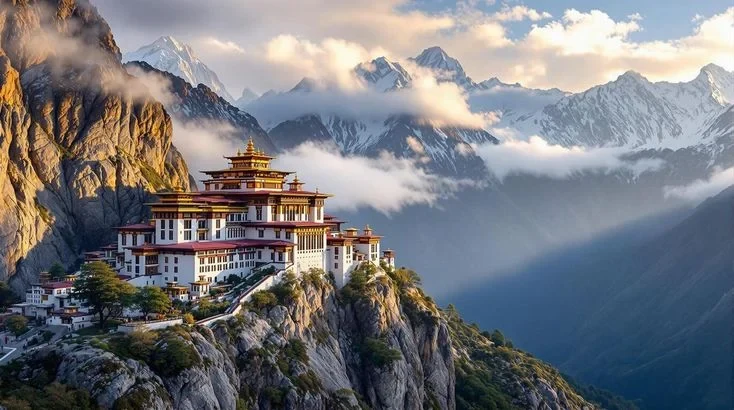
Visitors can hike to Tiger’s Nest Monastery (Paro Taktsang) in Paro, one of the most iconic landmarks in Bhutan, known for its dramatic cliffside views. A monastery clinging to a cliff 900 meters above the valley floor.
The Hike: It takes about 4–6 hours round trip. It is steep, dusty, and absolutely breathtaking.
My Tip: Go as early as possible (start hiking by 7:00 AM) to beat the heat and the crowds. Rent a walking stick at the base—your knees will thank you.
Soak in a Hot Stone Bath:
Soak in a Hot Stone Bath: After hiking Tiger’s Nest, this is non-negotiable. River stones are roasted in a fire until they are glowing red, then dropped into a wooden tub of water where you are soaking. The minerals release into the water, and it is the best muscle relief imaginable.
Exploring Thimphu, the capital city, gives travelers a mix of traditional culture and modern life, with sites like Tashichho Dzong and Buddha Dordenma.
The Punakha Dzong, If you only visit one fortress (Dzong), make it this one. It sits at the confluence of the Mo Chhu (Female) and Pho Chhu (Male) rivers. It is the most beautiful piece of architecture in the country. In spring, the Jacaranda trees bloom purple around the white walls—it looks like a painting.
Try Archery (The National Sport): You haven’t been to Bhutan until you’ve seen men in traditional ghos (robes) shooting arrows at a target 145 meters away. It is incredibly difficult. Most tour guides can arrange a mini-archery session for you.
“Book a cultural tour also includes Archery lessons”
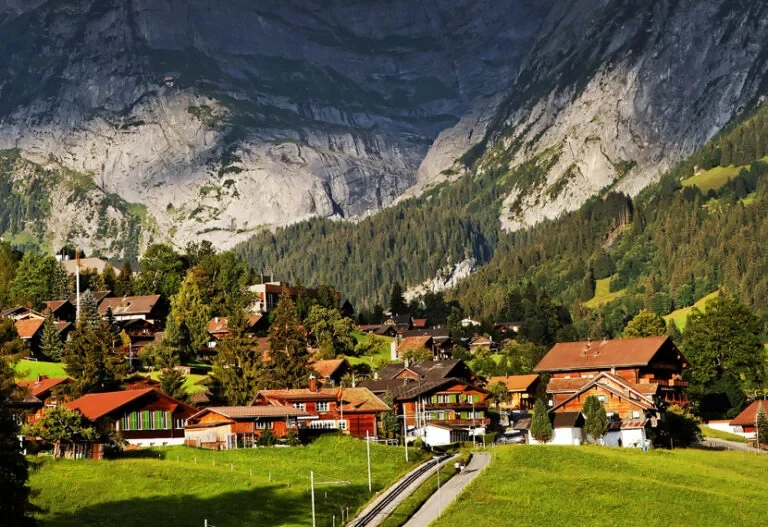
Spot Black-Necked Cranes in Phobjikha: This is a glacial valley that looks like Switzerland. In the winter (late Oct – Feb), rare Black-Necked Cranes migrate here from Tibet. The valley is vast, silent, and incredibly peaceful.
You can also explore quiet valleys such as Bumthang Valley, known for ancient monasteries and spiritual sites. Check out the Cultural festivals called Tshechus, the festivals are held in places like Thimphu and Paro, allow visitors to experience traditional masked dances, music, and local customs.
When To VIsit
The best time to visit Bhutan is during spring (March to May) and autumn (September to November). These seasons offer clear mountain views, pleasant temperatures, and colorful festivals.
Spring brings blooming flowers and comfortable weather, making it ideal for trekking and sightseeing.
Autumn is the most popular time to visit, with clear skies and major festivals like the Thimphu Tshechu.
Winter (December to February) is colder, especially in the mountains, but the skies are clear and there are fewer tourists.
Monsoon (June to August) brings heavy rain and cloudy weather, which can make travel slower and trekking trails slippery.
Best overall months: April, May, October, and November.