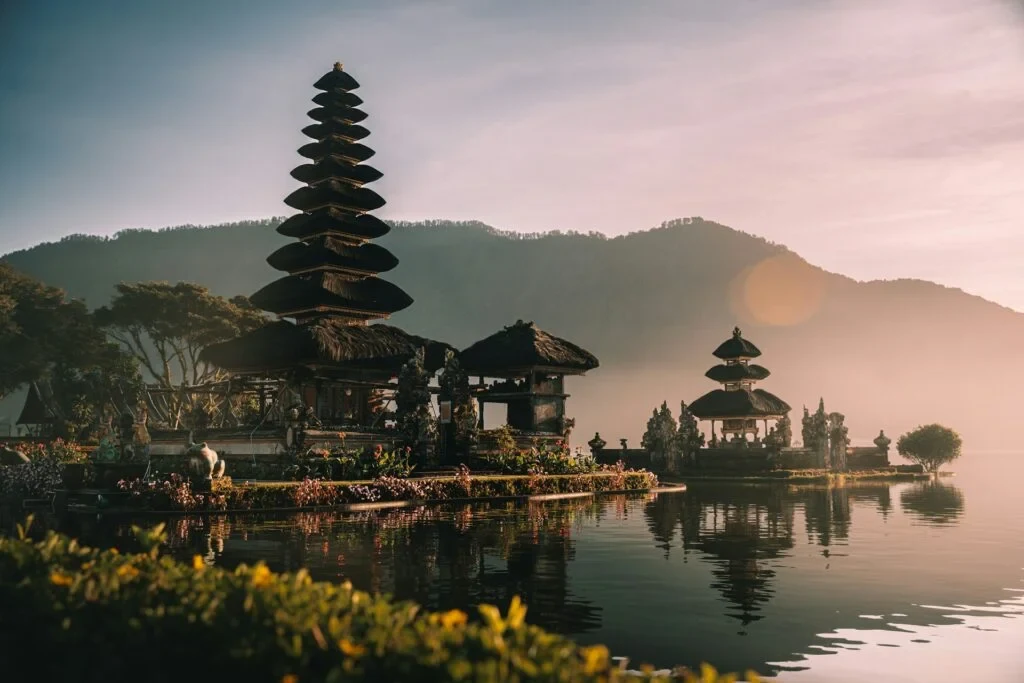
For many, Indonesia begins and ends with Bali. And look, I get it—Bali is enchanting. But reducing this massive archipelago to just one island is like visiting the United States and never leaving Times Square. We are talking about over 17,000 islands sprawling across the equator, home to jagged volcanic peaks, prehistoric dragons, mist-shrouded temples, and some of the warmest hospitality I’ve ever encountered.
Here is everything you need to know to plan your own Indonesian adventure.
Indonesia's Overview
Indonesia is chaotic, colorful, and vast. It’s the world’s largest island country, bridging Southeast Asia and Oceania. It is a country made up of over 17,000 islands has a wide variety of things to offer. It is majorly famous for its tropical beaches, volcanoes, jungles and its vibrant cities. One of the widely popular destinations of Indonesia is Bali with its unique sea temples, green rice paddies, volcanic landscapes and its word renowned beaches, Bali is in a league of its own.
Safety: Even if you travel solo you rarely feel unsafe. Violent crime against tourists is rare. The biggest risks are actually natural:
Volcanoes & Earthquakes: This is the “Ring of Fire.” Always keep an eye on local news for volcanic activity.
Scooter Accidents: This is the #1 way tourists get hurt. If you aren’t an experienced rider, Indonesia is not the place to learn. The traffic is intense.
Getting an insurance is recommended but not mandatory.
Visas & Entry Requirements: Getting into Indonesia is much smoother now than it used to be, but you need to be prepared.
e-VOA (Electronic Visa on Arrival): Most travelers (including those from the US, UK, EU, Australia, etc.) can apply for an e-VOA online before flying. It costs roughly IDR 500,000 (approx. $35 USD) and saves you from standing in the payment queue at the airport. You can still pay on arrival, but I highly recommend doing it digital.
Bali Tourist Levy: If you are visiting Bali, there is an additional “Tourist Levy” of IDR 150,000 (approx. $10 USD) that you must pay. This is separate from your visa.
Customs Declaration: You must fill out the Electronic Customs Declaration (ECD) before you land. You’ll get a QR code to scan at customs. Do this 2 days before you fly to breeze through the airport.
Connectivity (Internet & SIMs)
The WiFi in hotels and cafes is generally decent, but you will want data for maps and translation.
The Easiest Option: I stopped buying local plastic SIM cards a long time ago. I highly recommend grabbing an eSIM before you even board your flight. You land, turn on your phone, and you have data immediately. It saves the hassle of registering your IMEI number at a local kiosk (which can be a bureaucratic nightmare in Indonesia).
Local Option: If you prefer a physical SIM, Telkomsel has the best coverage, especially if you plan on going to remote islands like Komodo or Sumatra.
Indonesia is a destination that rewards curiosity. It’s easy to get stuck in the comfortable bubble of a Bali beach club, but the real magic happens when you book that train ticket across Java, or jump on that boat to Flores. Whether you are looking to relax on beaches, trek through the jungles, climb volcanoes, or explore ancient temples, Indonesia offers an experience for many kinds of travelers.
Flights & Transportation
Indonesia has multiple different airports across the country, main hub being Sukarno-Hat ta International Airport in Jakarta with other airports like Ngurah Rai in Bali and Juanda in Surabaya . Indonesia also offers over 100 airports for travelling between island so booking flight within or across the country wont be an issue.
As for getting Islands. This is an archipelago, so you will be doing a mix of flying, ferrying, and riding.
Domestic Flights: To get from island to island (e.g., Bali to Flores), you will likely fly local carriers like Garuda Indonesia (full service, very good) or Lion Air/Batik Air (budget).
Trains: If you are on the island of Java, take the train! The route from Jakarta to Yogyakarta and then to East Java is scenic, comfortable, and incredibly cheap. You can book “Executive” class tickets for a steal, which gives you reclining seats and AC.
Ride-Hailing Apps: Download Gojek or Grab immediately. These are the “Ubers” of Southeast Asia. You can book a car, a motorbike taxi (ojek), or even order food. It is significantly cheaper than local taxis and avoids the “tourist price” haggling.
Fast Boats: To get to smaller islands like Nusa Penida or the Gili Islands, you’ll take fast boats. Pro tip: Book these online in advance to secure your seat, as the morning boats often sell out.
Budget
Your money goes a very long way here. The currency is the Indonesian Rupiah (IDR).
The Backpacker ($30 – $40 USD / day)
Stay: Hostel dorms ($8–$12) or simple homestays.
Eat: Street food (Warungs). Nasi Goreng (fried rice) can cost as little as $1.50.
Move: Rented scooter ($4/day) or Gojek motorbike rides.
The Mid-Range Traveler ($60 – $100 USD / day)
Stay: Private boutique hotels or villas with pools ($30–$60). You can find incredible value here; a private villa in Bali often costs less than a Motel 6 in the US.
Eat: Nice cafes, beach clubs, and fresh seafood dinners.
Move: Private drivers for day trips (approx. $35–$45 for a full day with a driver).
The Luxury Seeker ($150+ USD / day)
Stay: 5-star resorts in Nusa Dua or luxury cliffside villas in Uluwatu ($150+).
Eat: Fine dining (Jakarta and Bali have world-class food scenes).
Move: Domestic flights instead of ferries; private helicopter transfers.
Things To Do
Indonesia is home to countless amazing destinations, making it difficult to know where to begin. The country offers a wide range of travel experiences, catering to different interests and travel styles. For adventure lovers, Indonesia is a paradise. Volcano hikes such as Mount Batur and Mount Ijen are popular for their sunrise views, while jungle trekking and surfing are well-known activities, especially along the beaches of Bali.
For travelers who prefer a slower and more relaxed pace, Indonesia has many peaceful destinations. Islands like the Gili Islands and Nusa Penida are known for their clear waters, laid-back atmosphere, and stunning coastal views. Nature lovers can explore the lush rainforests of Sumatra and Borneo, which are among the oldest tropical rainforests in the world. Waterfall chasing is popular around Ubud and Lombok, while wildlife enthusiasts can experience rare animals such as Komodo dragons in Komodo National Park, a UNESCO World Heritage Site.
Indonesia is also rich in culture and history. Visitors can explore ancient temples like Borobudur, the largest Buddhist temple in the world, and Prambanan, a remarkable Hindu temple complex, both located near Yogyakarta. Cultural experiences continue in places like Bali, where traditional ceremonies are part of daily life, and in Toraja, where unique funeral traditions and ancestral customs are still preserved.
With its diverse landscapes, rich cultural heritage, and wide range of activities, Indonesia is a versatile travel destination that offers something for every traveler, whether you seek adventure, relaxation, nature, or cultural discovery.
Here is a detailed list of what you shouldn’t miss
1. Chase Volcanoes in East Java
This was the highlight of my trip. You can take a multi-day tour starting from Yogyakarta or Bali.
Mount Bromo: An active volcano inside a massive ancient crater. You take a jeep at 3 AM to watch the sunrise over the “Sea of Sand.” It looks like Mars.
Kawah Ijen: Famous for its “Blue Fire” (ignited sulfur gas) and the turquoise acid lake at the summit. It is a tough hike in the dark, but wearing a gas mask and seeing the blue flames is a once-in-a-lifetime experience. ( Affiliate Tip: Link to a “Java Volcano Tour” package here )
2. Meet the Dragons in Komodo National Park
Fly into Labuan Bajo (Flores) and hop on a boat.
Komodo Dragons: See the world’s largest lizards in the wild on Rinca or Komodo Island. They are massive, prehistoric, and terrifyingly cool.
Padar Island: The iconic viewpoint where you can see three beaches of different colors (white, black, and pink) from one spot.
Pink Beach: Yes, the sand is actually pink.
3. Culture & Heritage in Yogyakarta
Yogyakarta (or “Jogja”) is the cultural soul of Java.
Borobudur: The largest Buddhist temple in the world. Seeing the sunrise here, surrounded by stupas and mist, is spiritual.
Prambanan: A massive 9th-century Hindu temple complex that rivals Angkor Wat. ( Affiliate Tip: Link to “Skip-the-line” tickets for Borobudur/Prambanan )
4. Jungle Trekking in Sumatra
If you want raw nature, head to Bukit Lawang in North Sumatra. This is one of the only places on Earth where you can see Orangutans in the wild. The treks range from half-day to multi-day jungle camping. It is humid, muddy, and absolutely magical.
5. The Ultimate Diving in Raja Ampat
Located off the coast of West Papua, this is the holy grail for divers. It has the richest marine biodiversity on the planet. It is expensive and hard to get to, but if you love the ocean, it ruins you for anywhere else.
6. Relax (Properly) in Bali & Lombok
Ubud (Bali): For yoga, rice terraces (Tegalalang), and monkeys.
Uluwatu (Bali): For surfing and cliffside sunsets.
Gili Air (Lombok): No cars, no motorbikes, just bicycles and clear water. The perfect place to do absolutely nothing.
When To Visit
The best time to visit Indonesia is during the dry season (April to October). This period offers sunny days, lower humidity, and ideal conditions for outdoor activities.
April to October is perfect for beaches, hiking, diving, and exploring popular destinations like Bali, Java, and Lombok.
Wet season (November to March) brings frequent rain and higher humidity, especially in coastal and tropical areas.
Although it rains more during this time, the landscapes become lush and green, and travel costs are often lower.
Because Indonesia is a large country made up of many islands, the weather can vary by region.
Best overall months: May, June, July, and September.