France's Overview
France is the world’s most visited country, offering a diverse mix of historic cities, dramatic coastlines, and distinct rural regions, offering an incredible variety of landscapes—from the gray slate roofs of Paris to the sunny blue waters of the Mediterranean and the snowy peaks of the Alps. The country is deeply proud of its culture, mainly its food, wine and history. Life here revolves around l’art de vivre (the art of living). The country is also famous for its romantic vibe making it a destination for Couple Travelers
Flights And Transportation
Many Travelers can get in the country through Paris Charles de Gaulle (CDG) which is the primary international hub. Paris Orly (ORY) and Nice Côte d’Azur (NCE) are also major entry points. To get to the city, you can either take the RER B train or a Roissy Bus, not to mention you can also take a taxi
Getting around the city can also be done through similar ways. Trains which are the best options to drive from one major part to another, download the SNCF Connect app to book tickets and store e-tickets on your phone. Other than that you can also rent a car or use ride-hailing apps like Uber or Bolt
Budget
France can be expensive, but knowing the local rules helps you save. Paris is still significantly more expensive than the “provinces”. You daily budget, depending on you taste and style can range anywhere from $75-$540+ (USD) i.e.(€70-€500) Euro. There is really not much you can do to save money unless you can survive with Bread (free and unlimited in most restaurants) and Water through your whole vacation. The other option can be ordering a set menu for lunch known as “Formule Midi” which is cheaper than other options and also If staying in Paris for a few days, the Paris Museum Pass offers skip-the-line access (to security lines) and covers entry to over 50 sites.
Things To Do
France is a very big country; its collection of distinct “worlds” stitched together by a love for bread, wine, and beauty. Because the country is so diverse, I will be including only the best areas of France in this post.
Read more on this complete guide
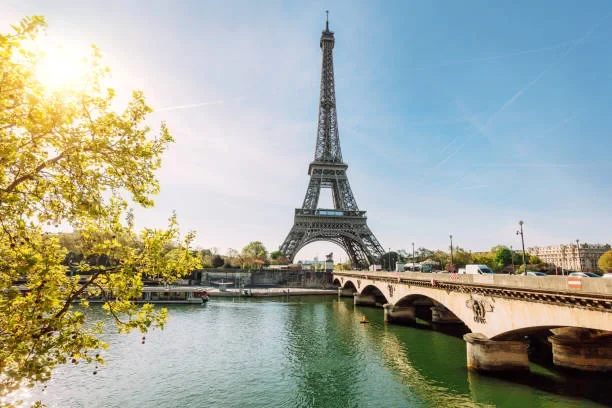
Paris: The City of Light & Soul is often romanticized, but the reality is even better than the movies if you know where to look. It’s a city that demands you slow down and look up. The Eiffel Tower: Skip the mid-day crowds. The real magic happens after sunset. Head to the Trocadéro gardens across the river; when the clock strikes the hour and the tower erupts in sparkling lights, it’s impossible not to feel a shiver of awe. The Louvre: say hello to the Mona Lisa, but don’t stop there. Wander into the Napoleon III Apartments for sheer opulence, or get lost in the quiet mystery of the Egyptian Antiquities.
History & Architecture. For those who want to step back in time, the northern and central regions offer a profound look at France’s soul.
The Loire Valley (Châteaux Country) This is a storybook come to life. The river is lined with Renaissance castles that defy logic. Château de Chambord: The largest and grandest of them all—it was built to impress, and it still does. Château de Chenonceau: Known as the “Ladies’ Château,” it is arguably the most elegant, spanning directly across the river so the water flows beneath its hallways.
The French Alps: Peaks & Lakes. Finally, for the adventurers, there are the mountains. The air here is crisp, cold, and invigorating. Chamonix-Mont-Blanc: This is the capital of alpine adventure. If you are brave enough, take the Aiguille du Midi cable car. It holds the world record for the highest vertical ascent, lifting you to 3,842m for a face-to-face view of the massive Mont Blanc. Annecy: Often called the “Venice of the Alps,” Annecy feels like a fairy tale. Picture a crystal-clear turquoise lake reflected by snow-capped mountains, feeding into canals that wind through a medieval old town.
When To Visit
The best time to visit France is during spring (April to June) and autumn (September to October). These seasons offer pleasant weather, fewer crowds, and beautiful scenery.
Spring brings blooming gardens, mild temperatures, and perfect conditions for sightseeing in cities like Paris and Lyon.
Autumn offers cool weather, harvest season in wine regions, and colorful countryside landscapes.
Summer (July to August) is warm and lively, with festivals and beach trips, but it’s also the busiest and most expensive time.
Winter (December to February) is cold, but it’s great for skiing in the Alps and enjoying festive Christmas markets.
Best overall months: May, June, September, and October.