Australia's Overview
Australia is a vast and highly developed country known for its stunning natural landscapes, modern cities, and relaxed way of life. It is one of the safest and most traveler-friendly destinations in the world, making it suitable for solo travelers, families, and first-time international visitors. The country offers a balance between urban comfort and wild, untouched nature, ranging from famous beaches and rainforests to deserts and coral reefs.
Australian cities are clean, organized, and easy to navigate, while regional and coastal areas showcase the country’s raw beauty. The pace of life is calm and outdoors-oriented, with locals known for being friendly and approachable. English is the official language, so communication is never an issue. Signs, menus, transport systems, and services are clear and easy to understand throughout the country.
Important Note:
Australia is extremely large. Distances between cities and regions are far greater than they appear on maps, so domestic flights are often the most practical way to travel rather than long road journeys.
Flights And Transportation
Australia is well connected internationally, with most travelers arriving through Sydney, Melbourne, Brisbane, or Perth airports. Direct flights operate from Asia, Europe, the Middle East, and North America. Due to the country’s size, domestic flights are the most practical way to travel between cities. Airlines such as Qantas, Virgin Australia, and Jetstar offer frequent connections. Major cities have reliable public transport systems including trains, trams, and buses. Uber operates widely, and car rentals are popular for road trips and regional travel.
Budget
Australia is considered a relatively expensive destination compared to many parts of Asia, but prices are similar to Western Europe or the United States. Budget travelers typically spend around AUD 80 to AUD 120 per day using hostels and public transport. Mid-range travelers can expect to spend AUD 150 to AUD 250 per day on hotels, domestic flights, and restaurants. Luxury travel often exceeds AUD 300 per day. Tipping is not mandatory and prices usually include taxes, making budgeting straightforward.
Things To Do
Australia appeals to a wide range of travelers, including city explorers, beach lovers, nature enthusiasts, and adventure seekers.
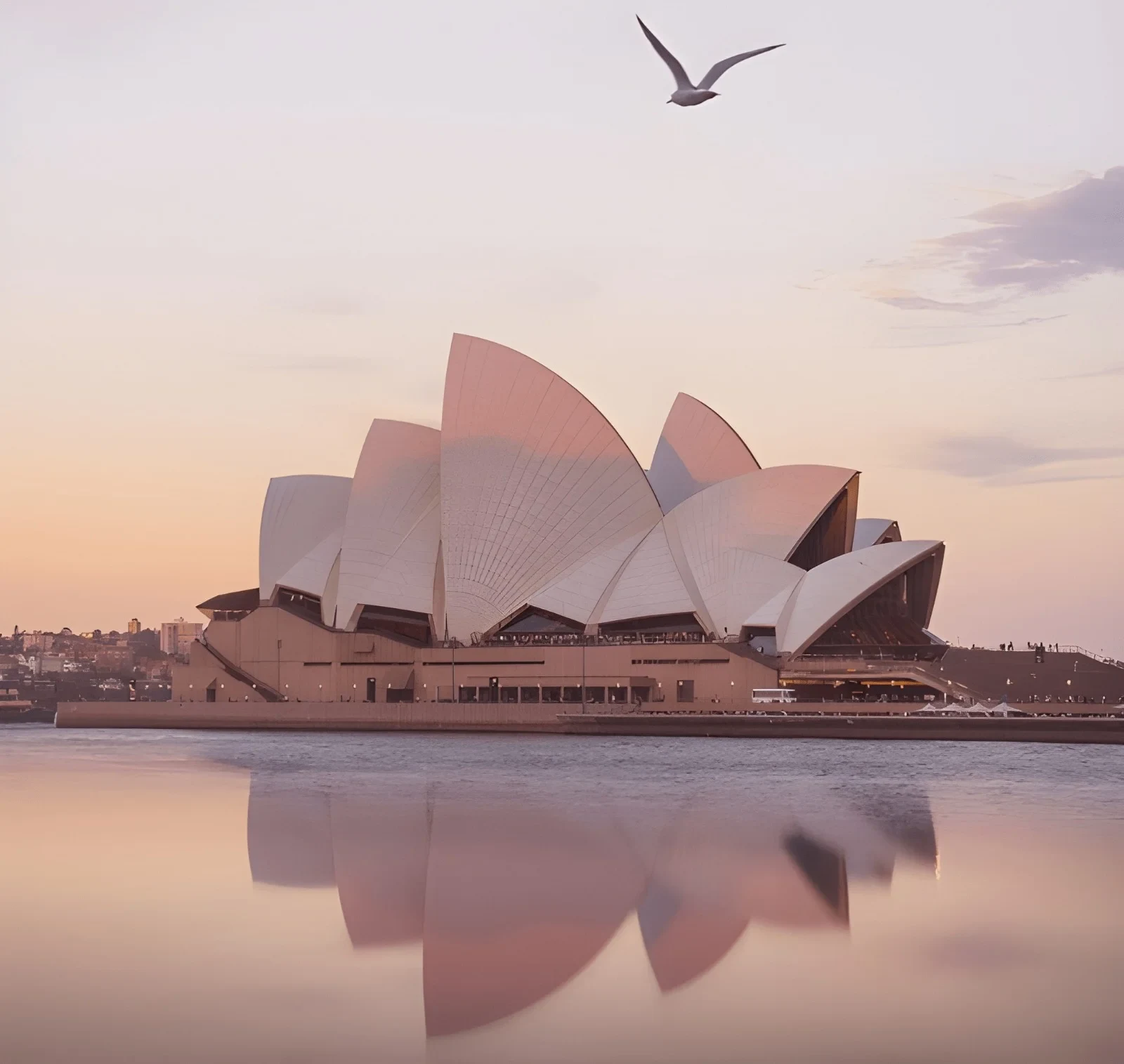
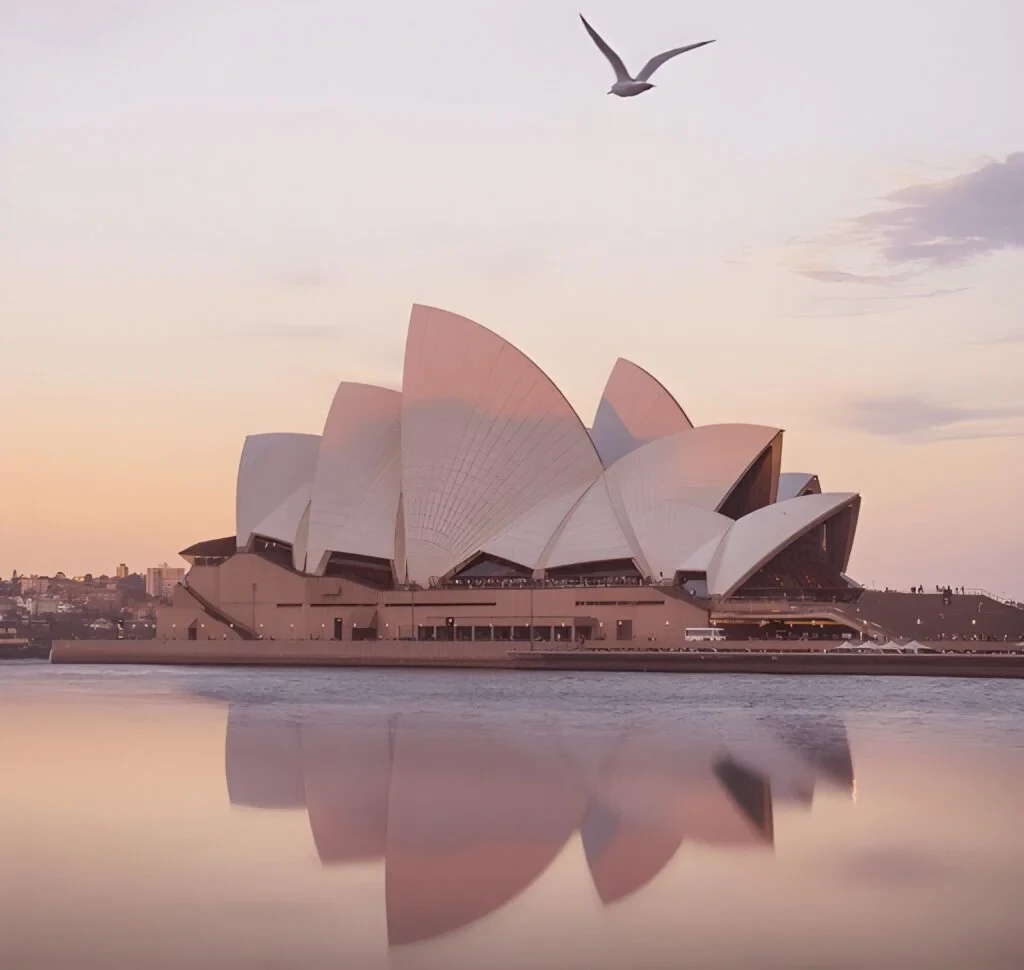
For city experiences, Sydney offers iconic landmarks such as the Sydney Opera House, Harbour Bridge, and Bondi Beach. Melbourne is known for its café culture, street art, and vibrant arts scene. Brisbane provides a relaxed riverfront lifestyle with easy access to the Gold Coast, while Perth is famous for its beaches and stunning sunsets.
Nature lovers can explore the Great Barrier Reef, one of the world’s most famous natural wonders, ideal for snorkeling and scuba diving. Uluru, located in the heart of the Outback, is a sacred Aboriginal site and one of Australia’s most powerful cultural landmarks. The Blue Mountains near Sydney offer scenic hiking trails, while Tasmania is known for its wilderness, wildlife, and dramatic landscapes.
Australia is also renowned for its beaches and coastal lifestyle. Popular spots include Bondi Beach, Manly Beach, Whitehaven Beach, Byron Bay, and the Gold Coast. Coastal road trips such as the Great Ocean Road are among the most scenic drives in the world.
Adventure activities are a major highlight, with opportunities for surfing, skydiving, diving, hiking, camping, and wildlife encounters available across the country.
When To Visit
The best time to visit Australia depends on the region, but spring (September to November) and autumn (March to May) are generally the most comfortable seasons.
Spring offers mild temperatures, blooming landscapes, and great conditions for sightseeing in major cities.
Autumn brings pleasant weather and fewer crowds, making it ideal for road trips and outdoor activities.
Summer (December to February) is perfect for beaches and coastal travel, though it can be very hot in inland areas.
Winter (June to August) is cooler in the south but ideal for visiting northern regions like Queensland and the Great Barrier Reef.
Best overall months: October, April, and May.