Costa Rica's Overview
Costa Rica is a small Central American country also known as the eco-tourism capital of the world. It is famous for abolishing its army in 1948 and dedicating those funds to education and conservation. The country is pretty nature centric, laid-back and peaceful. It is not a place for high-speed sightseeing; it is a place to slow down and look for sloths. The national motto is “Pura Vida” (Pure Life). You will hear it used as a hello, goodbye, thank you, and “everything is cool”.
Costa Rica is considered one of the safest countries in Central America. Even though there are slight chances of theft mainly including carjacking. Golden Rule: Never leave luggage or valuables visible in a parked car, even for 5 minutes at a beach or restaurant. Also, the wildlife’s are wild 😂 meaning keep distances from animals especially monkeys as they can bite and be careful of the stingrays in the oceans.
Flights And Transportation
There are two main internation airports in Costa Rica. San José (SJO) is central and best for visiting the Caribbean, Arenal, and Manuel Antonio. Liberia (LIR) is in the north and best for the beaches of Guanacaste (Tamarindo/Papagayo). If you want to get around the country hopping on domestic flights is recommended as there are many winding mountains. Sansa Airlines operates “puddle jumper” flights (Cessnas) to remote areas like Tortuguero or the Osa Peninsula. They turn a 6-hour drive into a 45-minute flight.
Renting a car gives you freedom, but beware of the insurance. Online quotes often exclude “Mandatory Liability Insurance” (TPL). When you arrive at the counter, the price can double. Also, if you are going to Monteverde, the Osa Peninsula, or Santa Teresa, a 4×4 is highly recommended (and sometimes essential in the rainy season). Apps like Uber and DiDi are also available for use.
Budget
As of now Costa Rica is the most expensive country in Central America. Do not expect Mexico or Guatemala prices as prices here are often comparable to the US or Europe. USD is widely accepted. Staying in hostels, eating at “Sodas” (local diners), using public buses (very cheap but slow) comes up to ($50 – $80 USD) per day for budget travelers. As for tourists willing to spend more can get Eco-lodges, rent Airbnb’s or High-end resorts as accommodation, renting a SUV, hiring private guides or guided nature walks, nice dinners anywhere between ($120 – $400+ USD).
Things To Do
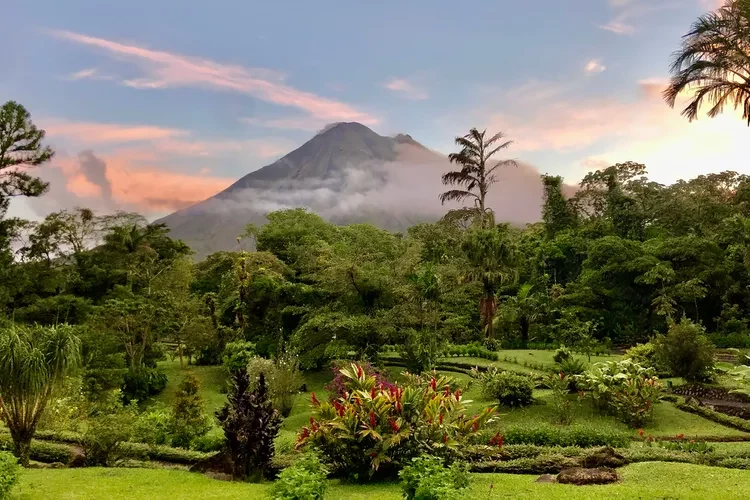
Costa Rica is mostly suited for the nature lovers. You don’t come here for cities (San José is just a transit hub), you come here for the “Green.” The highlands consist of Volcanoes and Cloud Forests places including La Fortuna / Arenal, the adventure capital. Famous for the perfect cone of Arenal Volcano, you can also enjoy the natural hot springs, waterfall repelling, and walk on the hanging bridges. Monteverde, a high-altitude cloud forest. It is cooler, misty, and mystical. This is the birthplace of the canopy tour (ziplining).
The famous wild side of the country includes places like Tortuguero (Caribbean), the “Amazon of Costa Rica.” Accessible only by boat or plane. Famous for sea turtle nesting (July–Oct) and Corcovado (Osa Peninsula), the most biologically intense place on Earth. It is rugged, remote, and requires a certified guide. You might see tapirs, jaguars, and scarlet macaws.
You can also do activities like yoga, surfing, watching sunsets in towns like Tamarindo and Nosara.
When To Visit
The best time to visit Costa Rica is during the dry season (December to April). These months offer sunny weather, perfect for beaches, rainforests, and outdoor adventures.
December to April is ideal for surfing, wildlife spotting, zip-lining, and exploring national parks.
Rainy season (May to November) brings frequent showers, especially in the afternoons, but the landscapes are lush, and travel costs are lower.
Shoulder months (May and November) can also be suitable for fewer crowds and moderate rain.
Best overall months: January, February, March, and April.