Greece's Overview
Greece is a mix of chaotic Mediterranean charm and highly developed tourism infrastructure. Overall, the country is safe, welcoming, and visually stunning. As for the cleanliness Tourist areas are kept clean, but Athens and some larger cities have a “gritty” aesthetic with significant graffiti and older buildings. Greece operates on a slower, more relaxed pace, the national moto being “Siga Siga”. English is widely spoken, especially in tourist areas so language barriers won’t be a problem. Also, the menus signs and announcements are mostly written in both Greek and English making it easier for travelers to understand.
Important Note : –
The “Plumbing Rule”: This is the most common surprise for first-timers. In 90% of Greece (hotels, cafes, museums), you cannot flush toilet paper. The sewage pipes are narrow (4 inches vs. the standard 8+ elsewhere). You must place used paper in the small bin provided next to the toilet.
Flights And Transportion
The main international hub where direct flights from other country land mostly is called Athens International Airport (ATH). If you are looking to visit islands (Crete or Rhodes etc.) than a domestic flight would be recommended rather than going on ferries as sometimes the flights are more cheater and also faster. The main carriers are Aegean Airlines (star alliance member, high quality) and Sky Express.
If you would rather use ferry obviously not only for traveling to islands but also in general, use aggregators like Ferryhopper to check schedules, but book in advance for July/August as they are the season to visit Greece.
Coming back from the and traveling on the ground you can use the metro system that connects Athens City Center (Syntagma Square) and the Port (Piraeus) directly to the airport. You can also Rent a car for more freedom or ride hailing apps, FreeNow the most popular local equivalent where as Uber also exists (no private drivers though).
Budget
Greece is not really an expensive country, especially when you compare it to western Europe or the US. The price does vary depending on the traveler’s style and budget. For budget tourists you spend anywhere around € 50 to € 80 Euros per day by staying on hostel, eating local street foods and using buses as a form of transportation. For Mid-Range to Luxury Travelers, you spend around € 120 to € 350+ Euro per day. These costs coming through Hotels/Airbnb’s, Car rentals or ferries and meals on restaurants or fine dining.
Tipping is Greece is not mandatory but expected. You can either tip 5-10% for good service or just round up the bill.
Things To Do
Greece caters to three main traveler archetypes: The Historian, The Beach Bum, and The Adventurer.
History & Culture
Athens: The Acropolis is non-negotiable (go at 8 AM to beat crowds/heat). Visit the Acropolis Museum and wander the Anafiotika district (a tiny island-style village hidden under the Acropolis).
Delphi: A day trip from Athens. The ancient “Center of the World” set high on a mountain.
Knossos (Crete): The oldest city in Europe, home to the Minotaur legend.
Island Life & Beaches
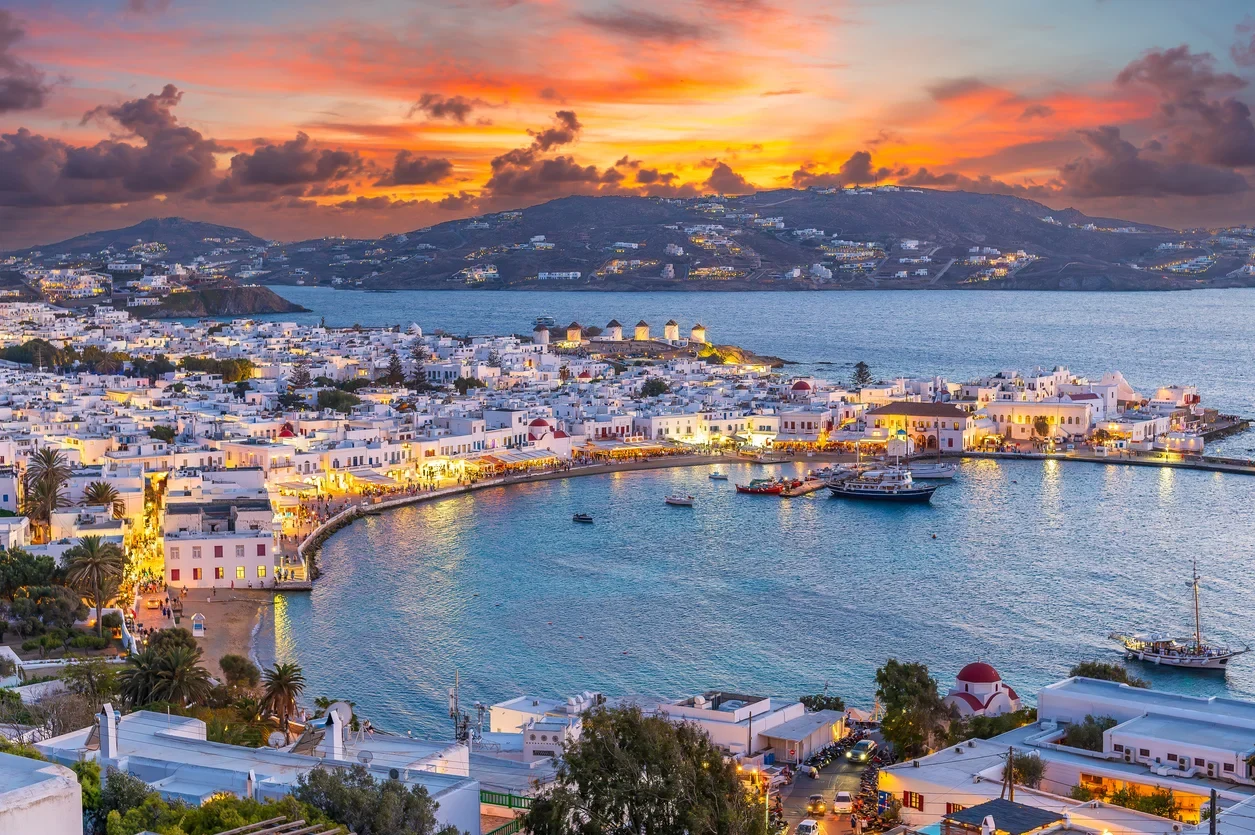
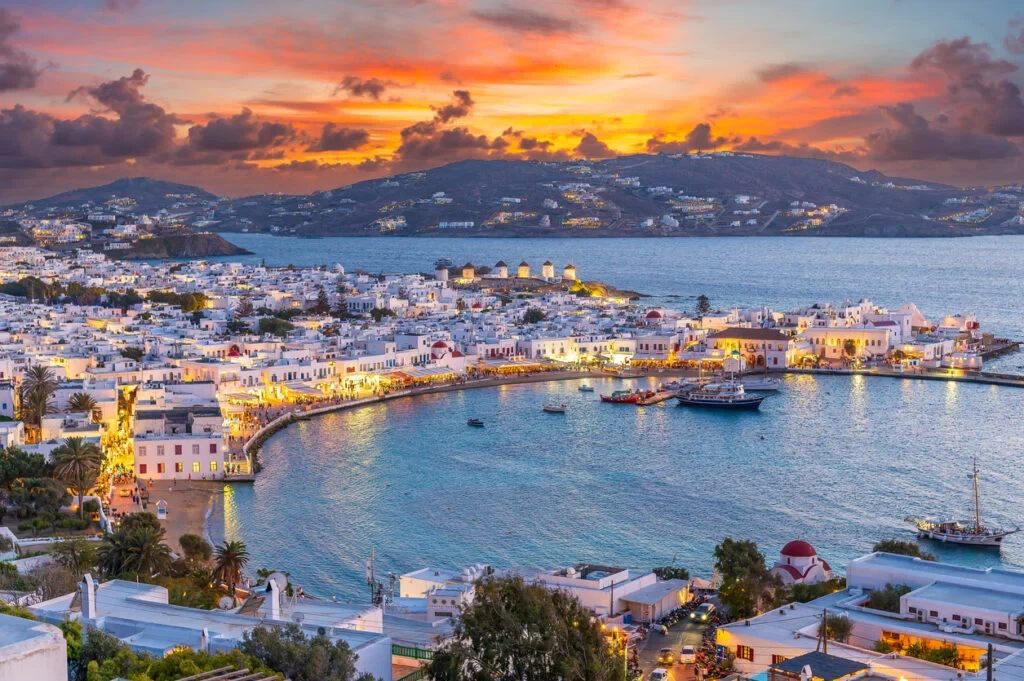
The Cyclades (White & Blue): Go to Santorini for the famous caldera views/sunsets (stay 2-3 nights max), Mykonos for parties, and Milos or Naxos for better beaches and a more authentic vibe.
The Ionians (Green & Blue): Located on the west coast (Zakynthos, Corfu). These islands are lush, green, and feature dramatic cliffs and calmer waters.
Crete: It has everything—pink sand beaches (Elafonissi), Venetian harbors (Chania), and high mountains.
Adventure
Hiking: The Samaria Gorge in Crete is a world-famous 16km hike. The Vikos Gorge on the mainland is the deepest in the world relative to its width.
Sailing: Renting a boat (or joining a catamaran cruise) is the best way to see the islands and swim in inaccessible coves.
When To Visit
The best time to visit Greece is during late spring (May to June) and early autumn (September to October). These months offer warm weather, clear skies, and fewer crowds.
Late spring is ideal for exploring ancient sites, hiking, and enjoying comfortable temperatures before the peak summer heat.
Early autumn offers warm seas, sunny days, and a more relaxed atmosphere on the islands.
Summer (July to August) is hot and busy, especially in popular islands like Santorini and Mykonos.
Winter (November to March) is quieter, with cooler weather and fewer tourist services on many islands.
Best overall months: May, June, September, and October.