Japan's Overview
If there is one country that lives up to every bit of the hype, it’s Japan. It is a place that feels like stepping into the future while keeping one foot firmly planted in the past. One minute you are ordering sushi from a robot in Tokyo, and the next, you are walking through a silent, moss-covered shrine in Kyoto that hasn’t changed in centuries.
Japan is an island country in East Asia, known for its unique and deep-rooted traditions, modern and sophisticated technology, pop culture as well as its polite people. It’s a land of weathered shrines and peaceful temples nestled alongside neon-lit skyscrapers and mod cities. From the vestiges of samurai culture to its worldwide impact on anime and car culture, Japan combines old and new in ways few other countries do.
Safety: For travelers, Japan is incredibly welcoming. It is widely considered one of the safest countries in the world—walking alone at night in Tokyo feels safer than walking at noon in many other major cities. The streets are spotless, and the hospitality (omotenashi) is legendary.
A Note on Nature: While the cities are concrete jungles, the country is prone to natural disasters like earthquakes and typhoons. Don’t let this scare you—Japanese infrastructure is the best in the world for this—but do download the “Safety Tips” app by the Japan Tourism Agency when you land. It pushes alerts in English.
Climate: Japan has four very distinct seasons. Summers (June–August) are intensely hot and humid—think “tropical jungle” levels of sweat. Winters can get biting cold, especially if you head north to Hokkaido for the snow. Spring and Autumn are the sweet spots, offering mild, crisp weather perfect for walking the 20,000 steps you’ll inevitably do every day.
Connectivity: Internet is non-negotiable. Free public Wi-Fi is spotty at best. I always recommend booking a Pocket Wi-Fi or buying an eSIM before you fly. You can pick up the Wi-Fi router right at the airport arrival hall.
Flights And Transportation
Japan’s main airports are Narita International Airport (NRT), Haneda Airport (HND) both located in Tokyo, HND being convenient as it is closer to the city and Kansai International Airport (KIX) in Osaka, there are obviously other operating airports in Japan.
Whereas for transportation Japan, it is highly developed, getting around the country is extremely smooth, fast and reliable with Bullet Trains, You have probably heard of the Japan Rail (JR) Pass. A few years ago, this was a “no-brainer” for every tourist. However, with recent price hikes, it isn’t always the cheapest option anymore unless you are doing a lot of cross-country bullet train (Shinkansen) travel in a short time.
Pro Tip: I highly recommend using a JR Pass Calculator online before you buy.
If the full national pass doesn’t make sense for your itinerary, look into Regional JR Passes (like the JR West Kansai Pass or JR East Nagano Pass). These are often much better value and can be bought online before you arrive.
As for getting around the city, don’t expect to wave your hand and get an Uber everywhere. While Uber does exist in major cities like Tokyo and Osaka, it just hails a standard taxi for you—it’s not the private driver model you might be used to in the US or Europe. GO is the app you need. It is the most widely used taxi-hailing app in Japan and works in 45 out of 47 prefectures. You can have Uber or DiDi downloaded as backups on your phone.
If you are thinking of renting a car, in the cities parking is expensive and traffic is slow. However, if you plan to explore the Japanese Alps, Hokkaido, or Okinawa, renting a car is a game-changer.
Note: – Get yourself an International Driving’s License if you are renting a car.
Budget
You can travel Japan cheaply or luxuriously, depending on your budget.
For budget travelers, you will find capsule hotels or hostels and eating delicious convenience store (konbini) meals for breakfast, and grabbing ramen or beef bowls (gyudon) for dinner. You stick to local trains rather than Shinkansen. With this and other activities you end up spending anywhere from ($50 – $100 USD/per day).
For Mid range travelers you spend ($150 – $250 USD-perday) in business hotels; and eat at nice izakayas (Japanese pubs), and maybe splurge on one or two guided tours.
For the luxury travelers If you are booking Ryokans (traditional inns) with private hot springs, riding in Green Car (First Class) on the bullet train, and dining at high-end kaiseki restaurants or opting for Michelin-starred experience. You spend $400+ USD per day.
Things To Do
In Japan You can spend your day time experiencing the country’s cultures and history, visit temples and shrines, walk through Fushimi Inari’s tori gate(Kyoto) and wander through shrines, and by evening find yourself beneath glowing neon signs as trains glide silently through the city. Walking streets like Kyoto’s old districts or Tokyo’s bustling neighborhoods feels like stepping through different worlds within the same day.
Food in Japan is an experience in itself. From carefully crafted sushi eaten at a tiny counter to a steaming bowl of ramen enjoyed late at night, every meal feels thoughtful and intentional. Street food crackles and sizzles in places like Osaka, while matcha sweets and seasonal treats reflect the beauty of each time of year. Even the simplest convenience-store snack can be surprisingly memorable.
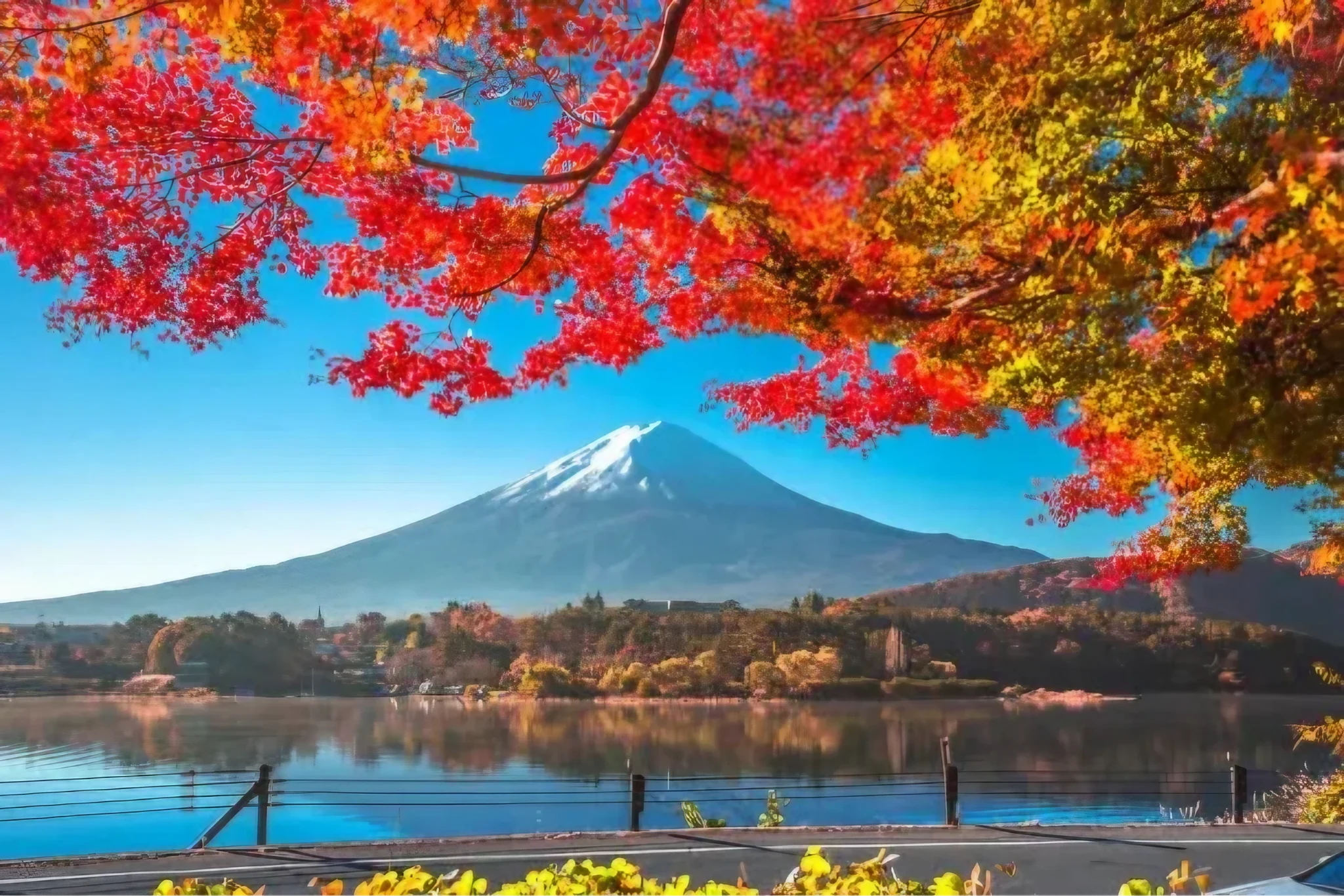
You will also love the Nature and scenic places of the country. You won’t be able to resist hiking the well-known Mount Fuji that stretches above the clouds or visit Shibuya Sky it is an observation deck, open-air, right above the famous scramble crossing, and offers a stunning view of Tokyo and Mt. Fuji on clear days. Japan has delicate bamboo forests bending in the wind and hot springs hidden among mountains will call you to take a pause and breath. Sakura: in the spring, the cherry blossoms turn many of the parks into a light pink dream, while in autumn you will find radiant reds and golds painted all over the countryside. Besides this you can go Skiing in winter in place like Hokkaido, go diving in Okinawa, watch sumo wrestling and also experience the car culture in Japan.
Here are some cool activities you could try in Japan: –
Get Lost in TeamLab Planets (Tokyo): Yes, you have seen it on Instagram, but it is worth the hype. Walking barefoot through water and crystal lights is a surreal experience.
Note: You must book tickets weeks in advance. They sell out fast.Universal Studios Japan & Nintendo World (Osaka): The production value here puts other theme parks to shame. Even if you aren’t a gamer, seeing the Mario world in real life is mind-blowing.
Note: Use the Express Pass. It’s expensive, but waiting 2 hours for a ride ruins a vacation.A Night in a Ryokan with Onsen (Hakone or Kyoto): Sleeping on tatami mats and soaking in a hot spring (onsen) is the quintessential Japanese experience. If you are shy about being naked with strangers, look for Ryokans that offer “private onsen” or “kashikiri” baths.
What truly stays with you, though, is the feeling of Japan itself—the politeness, the quiet efficiency, and the deep respect for detail. Whether you’re singing karaoke with friends, riding the bullet train at incredible speed, or simply watching city life flow past a café window, Japan leaves you with moments that feel both extraordinary and deeply human.
When To Visit
The best time to visit Japan is during spring (March to May) and autumn (September to November). These seasons offer mild weather, clear skies, and beautiful natural scenery.
Spring is famous for cherry blossoms, making it one of the most popular times to visit. Parks, temples, and cities are filled with pink blooms and festive events.
Autumn brings cool temperatures and colorful fall foliage, especially in places like Kyoto and Tokyo. It’s perfect for sightseeing and photography.
Summer (June to August) is hot, humid, and rainy in many regions, though it’s a good time for festivals and mountain trips.
Winter (December to February) is cold but ideal for snow sports in places like Hokkaido and the Japanese Alps.
Best overall months: April, May, October, and November.