Mexico's Overview
Mexico is one of the most culturally rich and visually diverse countries in the world, offering ancient ruins, colonial cities, vibrant modern life, and world-famous beaches. From historic sites dating back thousands of years to lively coastal resorts and colorful festivals, Mexico delivers a travel experience that appeals to every type of traveler.
The country is welcoming and friendly, especially in popular tourist areas. Spanish is the primary language, but English is widely spoken in major tourist destinations. Mexican culture is warm and social, with strong traditions centered around family, food, music, and celebrations. While some regions require awareness, millions of travelers visit Mexico safely each year.
Flights And Transportation
Mexico has excellent international connectivity, with major airports in Mexico City, Cancun, Guadalajara, and Los Cabos. Cancun International Airport is the busiest for tourism, particularly for beach destinations, while Mexico City serves as the main cultural and business hub. Direct flights are available from North America, Europe, and South America.
Domestic flights are affordable and efficient, making it easy to cover long distances. Long-distance buses are another excellent option and are known for being comfortable, reliable, and budget-friendly. In cities, public transportation, taxis, and ride hailing services are widely used, while renting a car is useful for exploring coastal areas and smaller towns.
Budget
Mexico is generally an affordable travel destination, especially compared to the United States and Western Europe. Daily costs vary depending on location and travel style. Budget travelers can expect to spend around 40 to 70 US dollars per day, while mid-range travelers usually spend between 80 and 150 US dollars per day. Luxury travel, particularly in resort areas, can exceed 250 US dollars per day.
Tipping is customary in Mexico and is expected in restaurants and service-based industries. A tip of 10 to 15 percent is standard in restaurants, and small tips for hotel staff and drivers are appreciated.
Things To Do
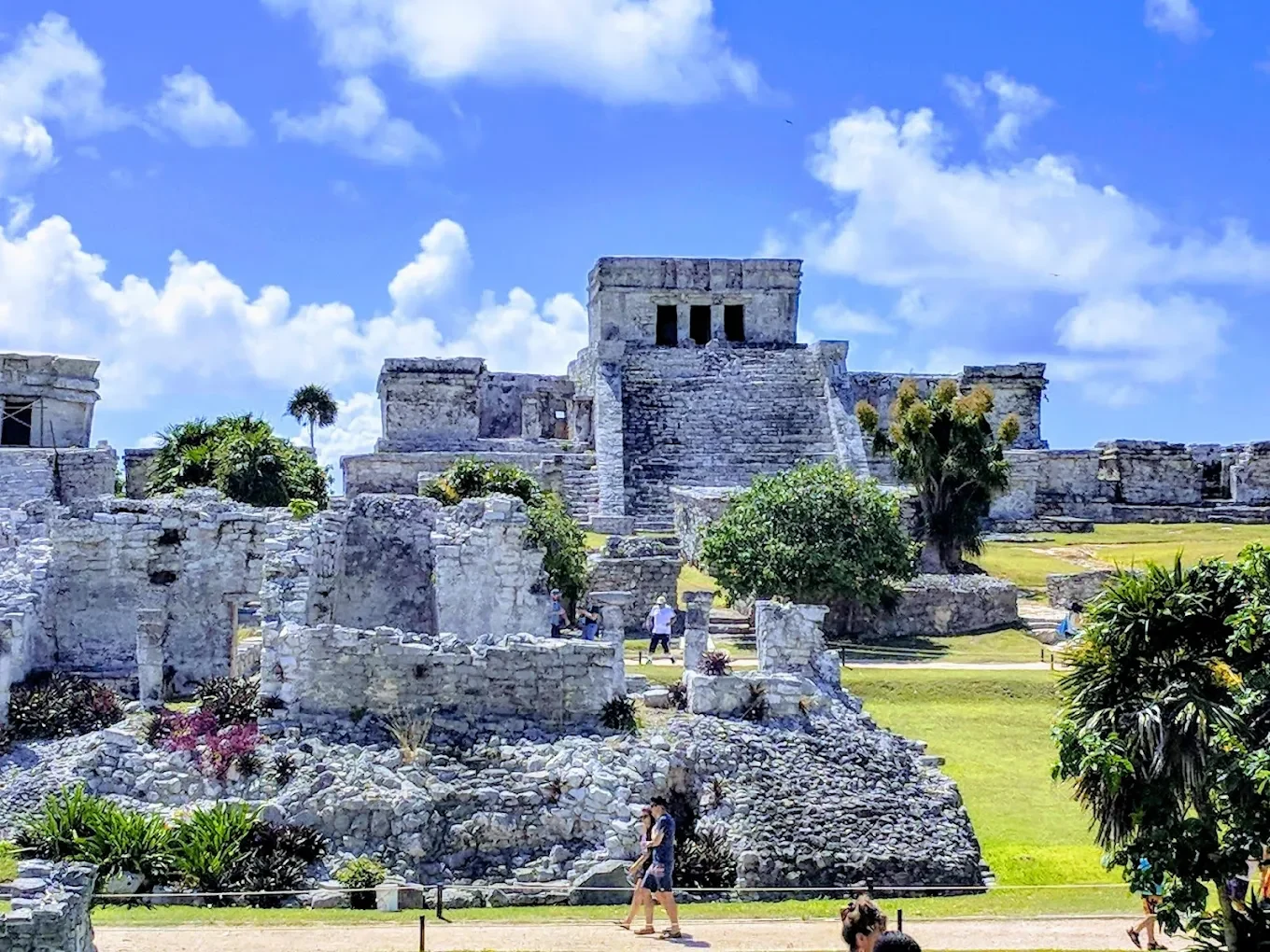
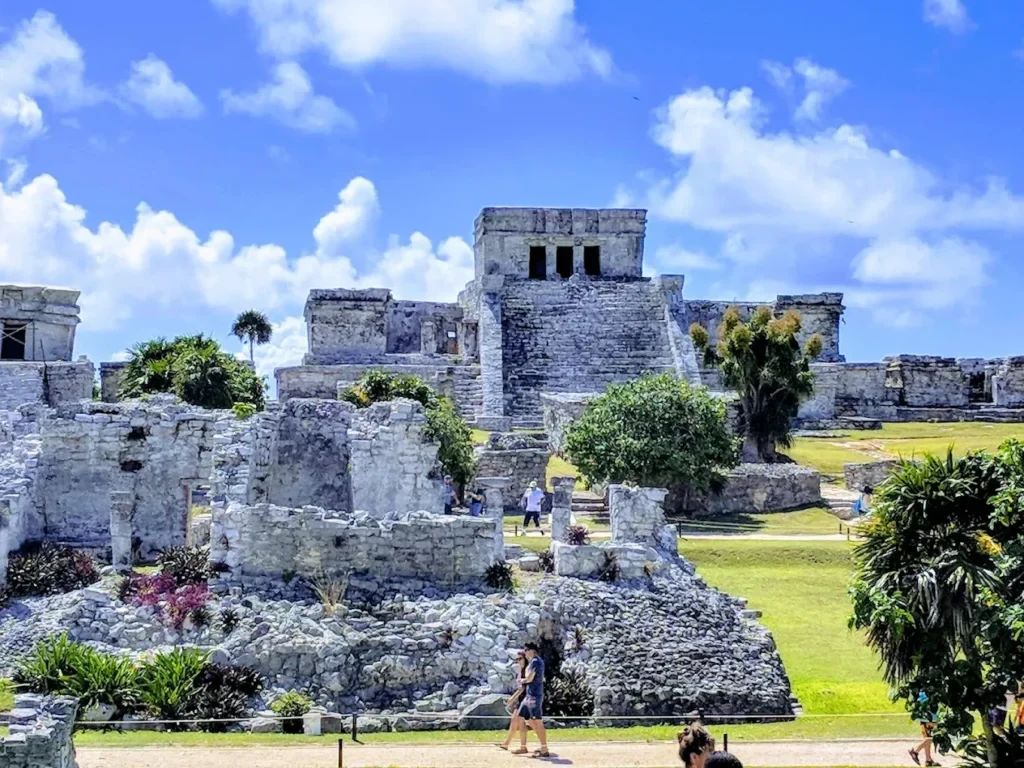
Mexico offers an extraordinary range of travel experiences that combine ancient history, living culture, natural beauty, and modern entertainment. One of the country’s biggest highlights is its archaeological heritage. Ancient sites such as Chichen Itza, Teotihuacan, Palenque, Uxmal, and Tulum allow visitors to explore the remains of powerful civilizations like the Maya and the Aztecs. These sites are not only historically important but also visually striking, often set against jungles, deserts, or coastal backdrops.
Colonial cities form another essential part of traveling in Mexico. Destinations such as San Miguel de Allende, Guanajuato, Puebla, Merida, and Oaxaca are known for their preserved historic centers, colorful buildings, churches, and lively town squares. These cities offer a slower pace of travel, rich traditions, local markets, and cultural festivals throughout the year. Mexico City stands out as a world-class capital, offering hundreds of museums, historic neighborhoods, vibrant nightlife, and one of the most celebrated food scenes in the world.
Mexico is also famous for its beaches and coastal destinations. Cancun, Playa del Carmen, and Tulum attract travelers with white sand beaches, turquoise waters, and access to cenotes and coral reefs. On the Pacific coast, Puerto Vallarta, Sayulita, and Los Cabos offer dramatic scenery, surf culture, and resort-style relaxation. Snorkeling, scuba diving, and whale watching are popular activities in many coastal regions.
Nature and outdoor adventures are widely available across the country. Travelers can swim in natural cenotes in the Yucatan Peninsula, explore jungles and waterfalls in Chiapas, hike volcanoes near Mexico City, or visit desert landscapes in Baja California. Food lovers will find Mexico to be a destination in itself, with regional cuisines ranging from street tacos and tamales to complex dishes like mole and fresh seafood along the coasts. Markets, cooking classes, and food tours provide deeper insight into Mexico’s culinary traditions.
When To Visit
The best time to visit Mexico is during the dry season (November to April). These months offer warm, sunny weather across most regions, making it ideal for sightseeing and beaches.
November to April is perfect for exploring cities, Mayan ruins, and coastal destinations like Cancun and Playa del Carmen.
Summer (May to September) can be hot and humid, with occasional heavy rains, especially in southern Mexico.
Shoulder months (October and May) offer fewer tourists and comfortable weather conditions.
Best overall months: November, December, February, and March.