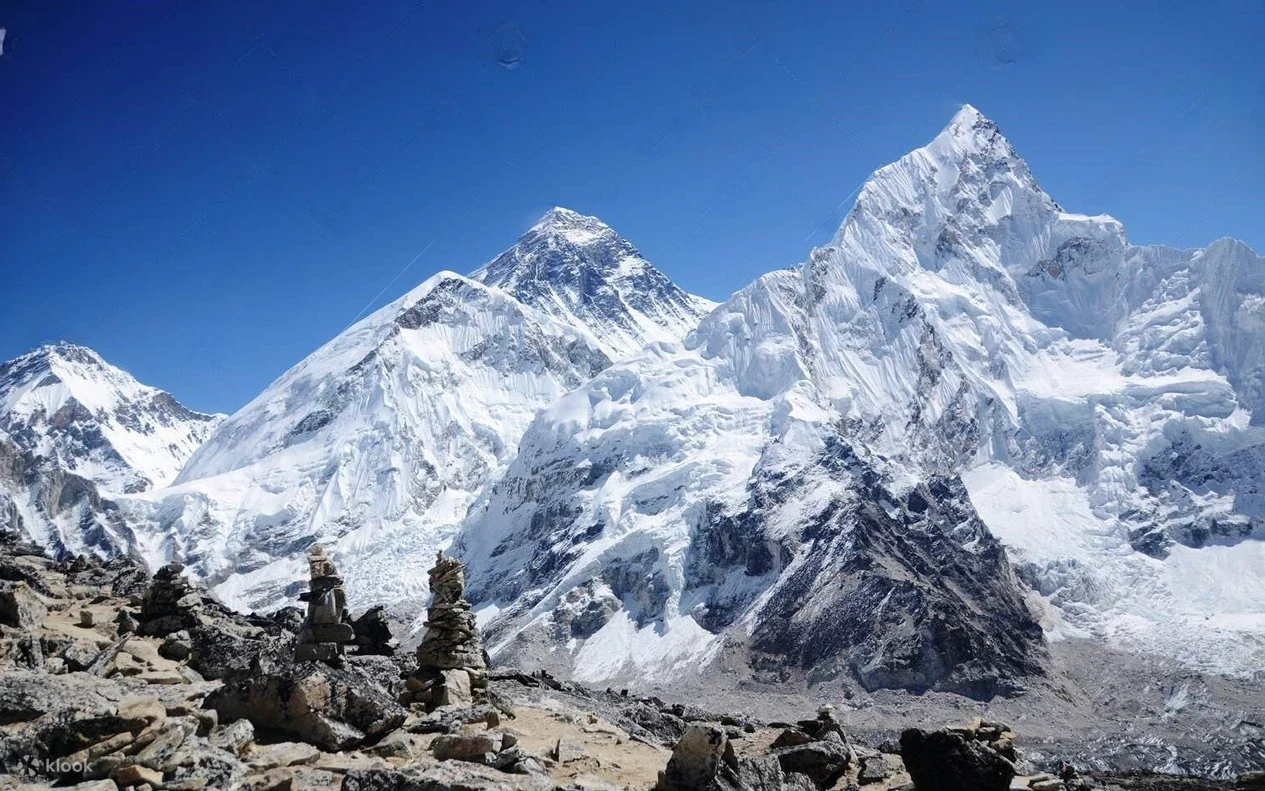
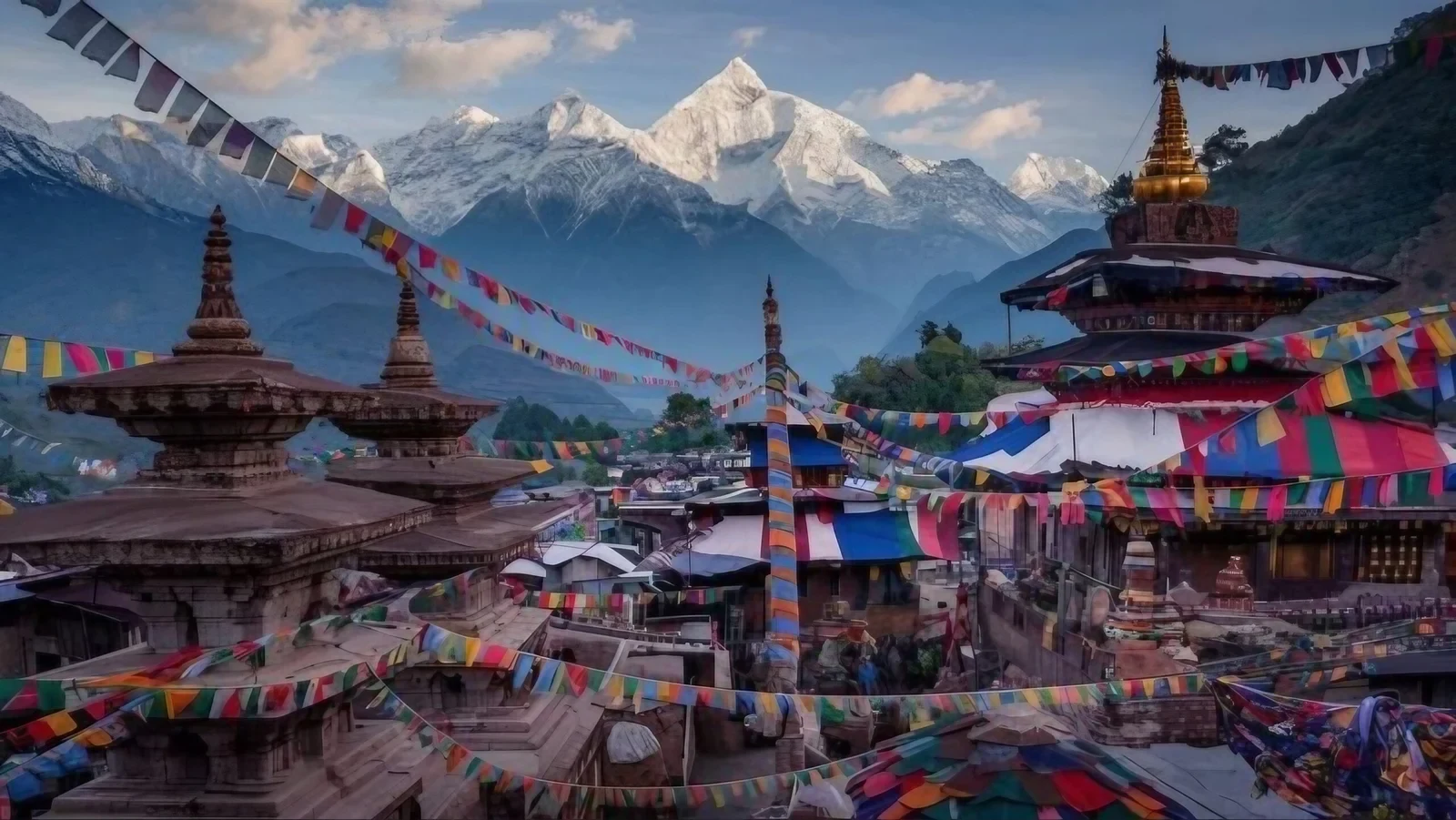
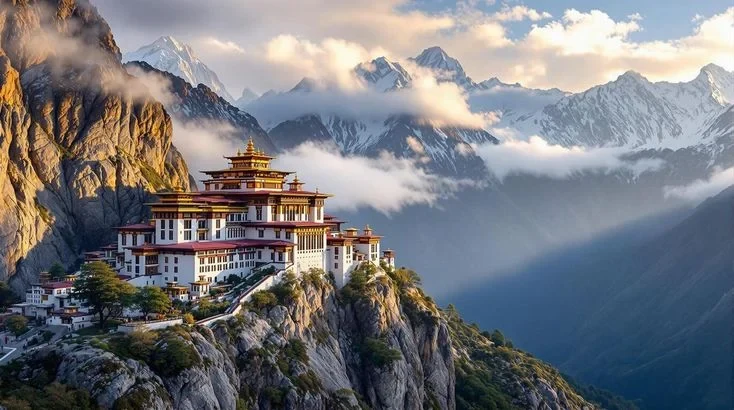
Nepal’s a Land lock country located in South Asia, While it’s famous for the Himalayas, there is so much more to it than just snow, its unmatched blend of natural beauty, adventure and living culture are many more reasons to visit the country. The country’s home to the World’s Highest Peak Mount Everest. It offers dramatic landscapes which ranges from snowy mountains to lush hills with scenic viewpoints, rivers, jungles and wildlife-filled national parks (Chitwan and Bardia being the most popular options).
Not to mention the valleys and cities have characters of their own. Many areas seem to be dusty, noisy and crowded but beyond that, these cities offer a rich and dynamic mix of experiences. Deeply rooted in history, different cultures, traditions and cool architectures. At the same time there are also commercial districts, cafes with amazing view, nightlife (Thamel) and social spaces where people gather to relax and have good time.
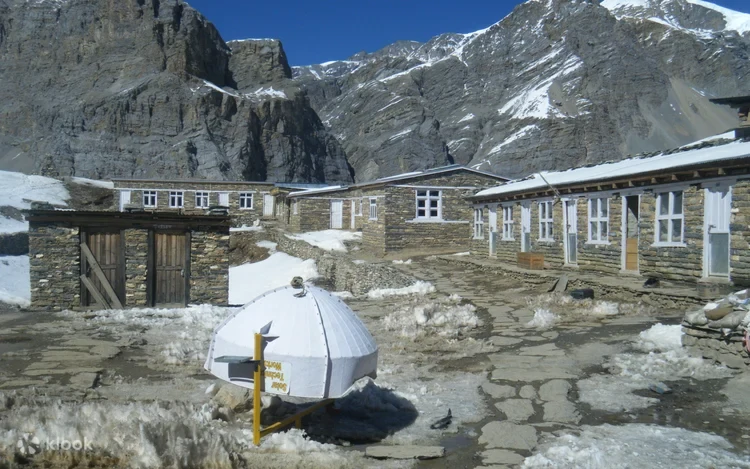
Geography: It’s roughly divided into three belts: the flat, humid Terai (jungle) in the south, the Hills (where Kathmandu and Pokhara are) in the middle, and the Mountains (Himalayas) in the north.
Safety: The country is generally safe. Violent crime against tourists is rare. The biggest risks are actually environmental—altitude sickness and road safety.
Traveling with some kind of Travel Insurance is highly recommended. WHY? If you trip on a sidewalk in Paris, you take a taxi to the hospital. If you twist an ankle or get altitude sickness on the Everest Base Camp trek, you need a helicopter rescue. These rescues cost upward of $5,000 USD (cash upfront if you don’t have insurance).
Feel free to use your preferred provider, or check out VisitorsCoverage for reliable options that cover adventure sports
Visa: Most travelers can get a Visa on Arrival at the Kathmandu airport (Tribhuvan International). You’ll need cash (USD is best) and a passport valid for at least six months.
Connectivity: Wi-Fi is available in most hotels and tea houses, but it can be spotty in the mountains. I recommend buying a local Ncell or Namaste SIM card at the airport for data.
Overall, Nepal is an absolute gold mine for Adventure Seekers. Whether you are looking for beginner friendly hikes, rafting on off-season or expert level challenge like Annapurna Circuit or whitewater rafting on the Sun Kosi, Nepal offers activities for every level of adventure.
As of now Nepal has 3 International Airports. The main International Airport in Nepal Being Tribhuvan International in Kathmandu (KTM), which handles regular international flights. While the other two, “Pokhara International” and “Gautam Buddha International” are officially stated as international airports, they only take occasional flights, due to Air Space & Route Challenges and the main reason being Airlines preferring Kathmandu (Tribhuvan International Airport). While, Getting into Nepal can be an adventure in itself, but once you are there, you have options. There are around 30 operational Airports inside the country providing domestic flights.
Feel free to Book Your Flights on Kiwi.com
As for getting around the city areas, Personally, I don’t recommend using local buses or microvans for everyday travel, as they can be very crowded and uncomfortable and Forget haggling with taxis every time. In Kathmandu and Pokhara, download apps like Pathao or InDrive. They work just like Uber but offer motorbike rides (cheaper and faster in traffic) and car options.
While, Renting Vehicles and Self-driving is not recommended due to the chaotic traffic and road conditions. Feel free to do so if you want to enjoy rides around those lavish hills filled with amazing serene. However, hiring a car with a driver is a fantastic way to see the country at your own pace.
Traveling in Nepal is very affordable—but your budget depends entirely on how high you want to climb and how much comfort you need. Coming specifically for Treks/high-altitude mountaineering, will naturally increase costs.
Depending on your travel style and budget, you can choose from simple guesthouses to comfortable hotels, and from local food stalls to cafés and full-service restaurants. Transportation is also inexpensive compared to many countries. You’ll find local and public buses, shared vans (not recommend unless you are on a strict budget) and ride-hailing apps widely available for getting around.
As for the The Trekker/Luxury travelers, you might spend $150 USD+ per day, If you are doing a fully supported trek with porters and guides, or staying in high-end heritage hotels, expect to pay premium prices.
Nepal may be a small country but you never run out of things you can do. The country is an outdoor playground. You have classic like the Everest Base Camp and Annapurna Circuit, but don’t sleep on the Manaslu Circuit for fewer crowds. Also don’t overlook on local valley hikes like Nagarkot or Shivapuri for shorter trips. Beyond hiking & trekking, you can experience the thrills of:
- Bungee Jumping (The Last Resort is famous)
Paragliding in Pokhara
White-water Rafting
Everest Skydiving
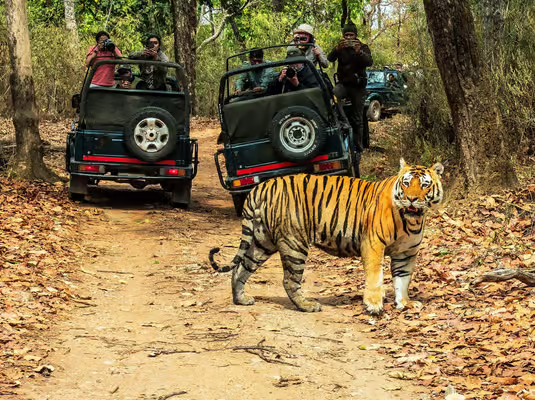
If you are into wildlife, Head south to Chitwan National Park. It’s a shock to the system to go from snow peaks to humid jungles where you can spot rhinos, elephants, and Bengal tigers. or Bardia National Park (Another Great Option).
But it’s not just about nature. The cities and valleys have a character entirely their own. At first glance, places like Kathmandu can seem dusty, noisy, and crowded. But look a little deeper, and you’ll find a rich dynamic of history, diverse cultures, and ancient architecture. You’ll find medieval temples sitting right next to modern commercial districts, bustling cafes with amazing views, and vibrant nightlife hubs like Thamel where travelers gather to swap stories.Explore the medieval cities of the Kathmandu Valley—Bhaktapur, Patan, and Kathmandu Durbar Squares. The architecture is mind-blowing. From exploring different cultures, traditions and heritage sites to hunting delicious local foods (MOMO, Thakali, etc.) Nepal is packed with unforgettable experiences. It is a place that belongs to everyone, whether you’re an adventure seeker or someone who just wants to simply relax in nature, Nepal has something special for you.
The best time to visit Nepal is during autumn (September to November) and spring (March to May). These months offer clear skies, pleasant temperatures, and the best views of the Himalayas. It’s the ideal season for trekking, sightseeing, and outdoor activities.
Autumn is the most popular time because the weather is stable and the mountain views are crystal clear. Major festivals like Dashain and Tihar also take place during this season.
Spring brings warmer days and colorful blooming rhododendrons, making it perfect for trekking and photography.
Winter (December to February) is colder, especially in the mountains, but it’s a good time for city tours and wildlife safaris with fewer crowds.
Monsoon (June to August) is the least recommended season due to heavy rain, muddy trails, and limited mountain views, though the landscapes become lush and green.
Best overall months: October, November, March, and April.