Newzeland's Overview
New Zealand is one of the most visually stunning and traveler-friendly destinations in the world. Famous for its dramatic mountain ranges, turquoise lakes, wild coastlines, and lush forests, the country feels untouched and cinematic at every turn. It is also widely recognized as the filming location for The Lord of the Rings, which adds to its global appeal.
The country is extremely safe, clean, and well-organized, making it ideal for solo travelers, couples, and families. English is the primary language, so communication is easy for most visitors. Locals, commonly referred to as Kiwis, are welcoming, relaxed, and proud of their Maori heritage, which is deeply woven into the nation’s identity. Travelers will notice a balanced mix of modern cities and unspoiled nature, allowing for both comfort and adventure.
New Zealand has a calm and laid-back atmosphere, but its infrastructure is modern and efficient. Whether you are road-tripping across the South Island, exploring volcanic landscapes in the North Island, or seeking adrenaline-filled experiences, New Zealand offers an unforgettable travel experience.
It is important to note that New Zealand enforces strict biosecurity laws. All food items, hiking gear, and outdoor equipment must be declared upon arrival. Failure to declare restricted items can result in heavy fines, even for minor oversights.
Flights And Transportation
Auckland International Airport is the main entry point for international travelers, with Christchurch and Wellington serving as additional gateways. Due to New Zealand’s remote location, flights are long and often include stopovers in Australia, Asia, or the United States. Domestic flights are frequent and reliable, making it easy to travel between major cities.
Public transport works well within cities, but it is limited outside urban areas. Renting a car or campervan is the best way to explore the country, especially for those planning to visit national parks or smaller towns. Roads are well maintained, and driving is straightforward, though visitors should remember that driving is on the left side.
Budget
New Zealand is considered an expensive destination, with prices similar to Australia or Western Europe. Daily costs depend on travel style, season, and location. Budget travelers can expect to spend around 70 to 110 New Zealand dollars per day by staying in hostels and self-catering. Mid-range travelers usually spend between 150 and 250 New Zealand dollars per day, while luxury travelers often exceed 350 New Zealand dollars daily.
Tipping is not expected in New Zealand and is not part of the local culture, though rounding up a bill for exceptional service is acceptable.
Things To Do
New Zealand appeals to a wide range of travelers, particularly adventure seekers, nature lovers, road-trip enthusiasts, and film fans. The country’s natural landscapes are among the most diverse in the world, offering fjords, glaciers, volcanoes, beaches, and alpine scenery within relatively short distances.
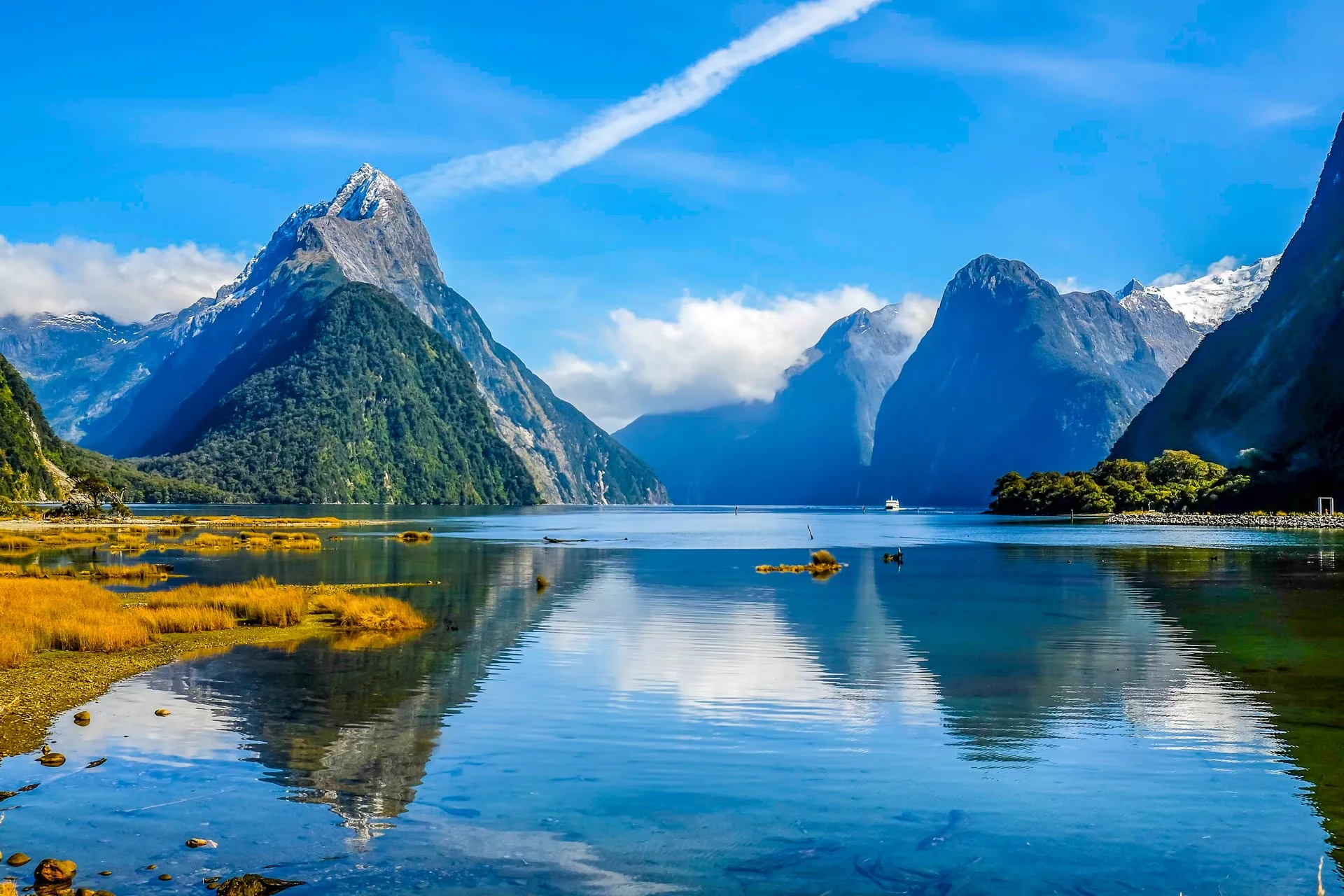
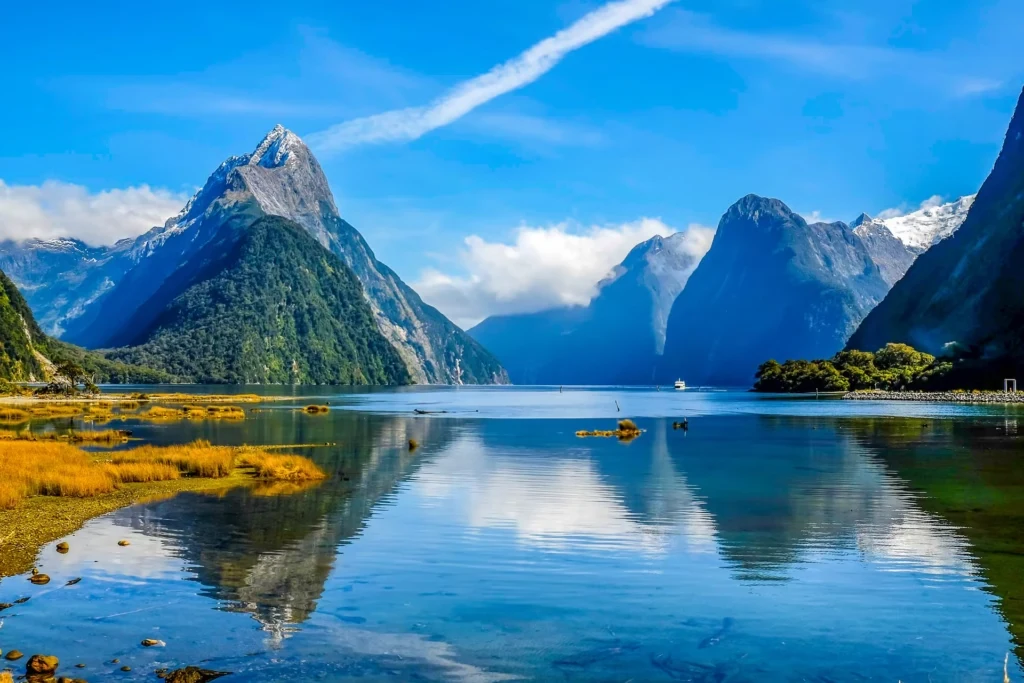
Milford Sound is one of the most iconic attractions, known for its towering cliffs, waterfalls, and boat cruises through dramatic fjords. Lake Tekapo is famous for its bright turquoise water and clear night skies, making it one of the best stargazing destinations on Earth. Mount Cook National Park offers some of the most impressive alpine scenery in the country, while Tongariro National Park showcases volcanic landscapes and emerald-colored lakes.
Adventure activities are a major highlight of traveling in New Zealand. Queenstown is widely known as the adventure capital of the world, offering bungee jumping, skydiving, jet boating, and paragliding. Hiking, known locally as tramping, is extremely popular, with the Tongariro Alpine Crossing considered the best one-day hike in the country. Multi-day hikes such as the Routeburn Track and Milford Track provide unforgettable experiences for outdoor enthusiasts. Glacier hiking and ice climbing are also available at Franz Josef and Fox Glaciers.
Road trips are an essential part of the New Zealand experience. The South Island loop, which includes Christchurch, Queenstown, Wanaka, and the West Coast, is particularly popular for its scenic drives. The North Island loop, connecting Auckland, Rotorua, Taupo, and Wellington, offers a mix of culture, geothermal attractions, and lakeside landscapes.
Cultural experiences are equally rewarding. Rotorua is the heart of Maori culture and is known for its geothermal activity, traditional villages, and performances. Auckland offers a blend of urban life and nearby island escapes, while Wellington stands out for its creative scene, museums, and film industry connections. Movie fans can visit Hobbiton to see the famous Lord of the Rings set or explore Weta Workshop in Wellington for a behind-the-scenes look at film production.
When To Visit
The best time to visit New Zealand is during spring (September to November) and autumn (March to May). These seasons offer mild weather, beautiful landscapes, and fewer crowds.
Spring brings blooming flowers, waterfalls, and fresh green scenery across the country.
Autumn offers colorful foliage, comfortable temperatures, and ideal conditions for road trips.
Summer (December to February) is the warmest and busiest season, perfect for beaches, hiking, and outdoor adventures.
Winter (June to August) is colder but great for skiing, especially in the South Island.
Best overall months: October, November, March, and April.