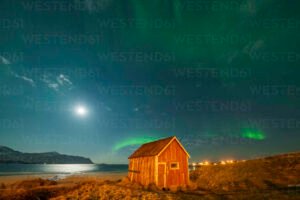
 If you’ve ever found yourself doom-scrolling through Instagram travel reels, you’ve likely seen it: a red wooden cabin perched on a jagged rock, reflected in water so still it looks like glass, with a backdrop of snow-capped mountains that seem to touch the heavens. That is Norway.
I remember landing in Oslo and feeling the air change—it wasn’t just colder; it was crisper. Cleaner. It felt like I had stepped into a high-definition version of the world. But let’s be real: Norway is also famous for being one of the most expensive countries on the planet. Is it worth the hype? Is it worth the price tag?
After exploring everything from the urban cool of Oslo to the arctic silence of Tromsø, the answer is a resounding yes. But you need to plan smart.
Country's Overview
Norway is the definition of “raw nature.” It is a country where nature isn’t something you visit; it’s something you live in. Even in the capital, you are never more than a 20-minute metro ride from a deep forest or a fjord. It is a long, narrow country stretching into the Arctic Circle, famous for its Viking history, and the natural phenomena of the Midnight Sun and Northern Lights also boasting one of the most complex and beautiful coastlines in the world.
Overall, The vibe is peaceful, efficient, and respectful. It’s quiet here—people don’t shout on trains, and queues are sacred. If you are an introvert or a nature lover, you have found your spiritual home.
Climate: “No Bad Weather”
Norwegians have a saying: “Det finnes ikke dårlig vær, bare dårlige klær” (There is no such thing as bad weather, only bad clothes).
-
Coastal Norway (Bergen, Stavanger): Mild but very wet. It rains. A lot.
-
Inland (Oslo): Cold, snowy winters and surprisingly warm summers (up to 25°C/77°F).
-
The North (Tromsø, Lofoten): Arctic. Intense winters, but the Gulf Stream keeps it from being uninhabitable.
Safety: Norway is consistently ranked as one of the safest countries in the world. As a traveler, your biggest risk isn’t pickpockets—it’s slipping on ice or underestimating a hiking trail. Solo female travelers can feel incredibly comfortable here walking alone at night.
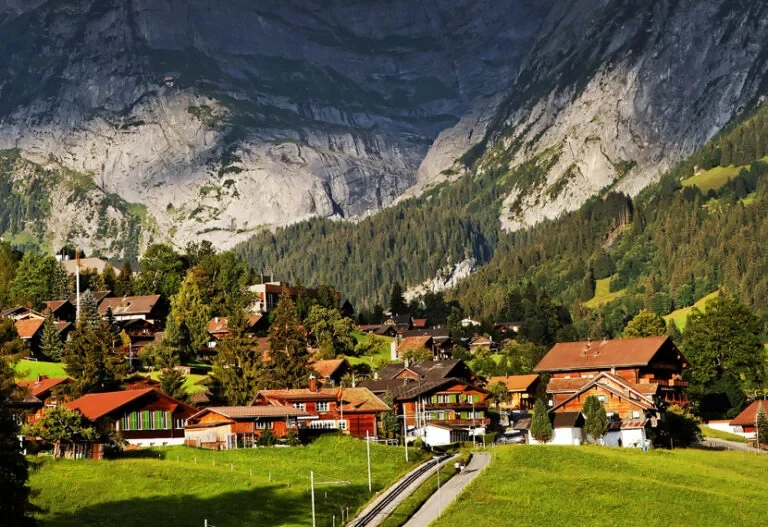
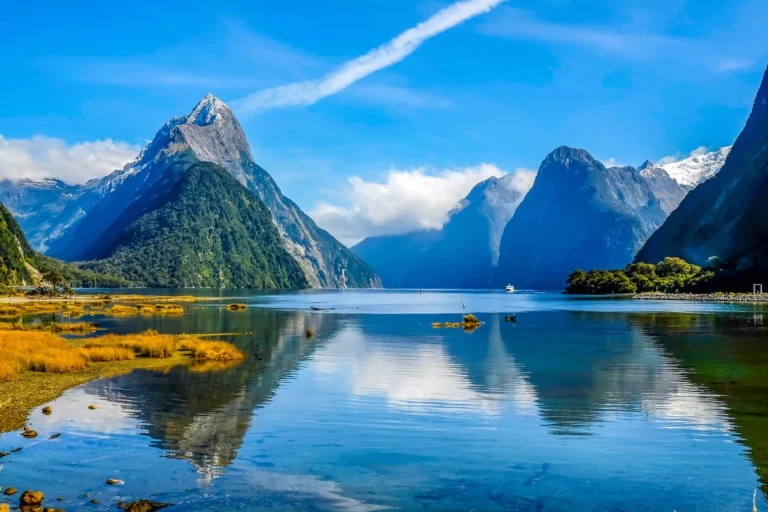
The landscape is dominated by deep fjords carved by ancient glaciers in the west and rugged islands and tundra in the north.
It is deeply connected to nature, The Norwegian philosophy being Friluftsliv (open-air living). ). The culture revolves around connecting with the outdoors, whether that means hiking steep cliffs in summer or skiing in winter.
In terms of safety, Norway is incredibly safe with very low crime rates.
Flights And Transportation
The Oslo Airport (OSL) which is in the capital is the primary international hub besides this, Tromsø (TOS) & Bodø (BOO) which are the main hubs for going to the Arctic North (Northern Lights) and Bergen Airport (BGO).
Getting around in Norway often involves a mix of planes, cars and ferries due to its immense length and rugged coastline. I would personally recommend Renting a Car; it gives you the freedom to stop at viewpoints that buses miss. You can take through Apps like Uber, Bolt and the country seems to have their own local option too. Taking train is also possible obviously
Budget
Is it expensive? Yes. Norway is known for a high cost of living, which translates to high prices for tourists, though the recent weakness of the Norwegian Krone (NOK) has made it slightly more affordable for visitors than in previous decades.
Depending on your style you daily expenditure could be, For Budget Travelers around 1000-1500 NOK ($90-$135 USD), and for Mid-Range to Luxury travelers anywhere between 2500-5000+NOK ($225-$450 USD).
Things To Do
Norway is a massive country, so activities and attractions are usually split largely between the “Fjord Norway (West)” region in the southwest and the “Arctic Norway (North).”
The Iconic Fjords (West)
The west is filled with beautiful attractions like Geirangerfjord: – A UNESCO World Heritage site known for the Seven Sisters Waterfall, best seen by ferry or kayak and Flåm Railway (Flåmsbana): – A famous 1-hour train ride that climbs steeply from the fjord up into the mountains, passing massive waterfalls. Other than that, you can go bouldering and hikes in places like Pulpit Rock and Kjeragbolten: A boulder wedged tightly between two sheer cliff faces.
The Arctic North (Lofoten & Tromsø)
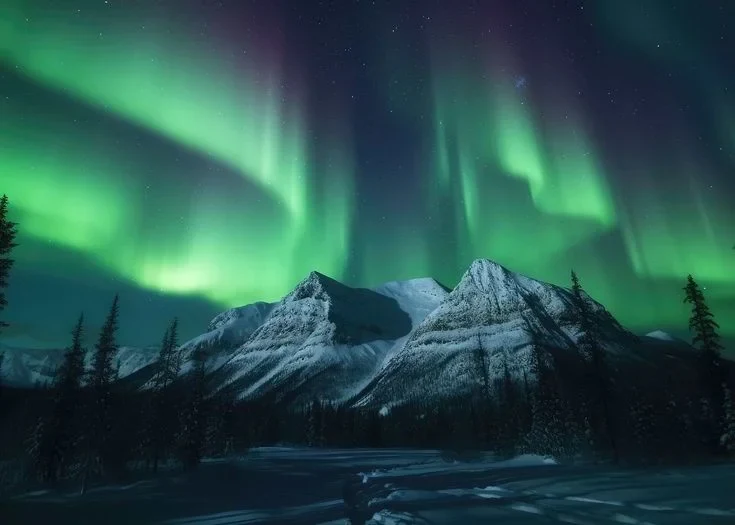
This is region is famously mostly because of the magical Norther Lights (aurora Borealis), located in Alta, Senja, Lofoten or Tromsø around Late September to Late March and the Midnight Sun around Mid-May to Late July. Besides this you can do activities like Fishing in Rorbuer (traditional fishermen’s cabin), etc.
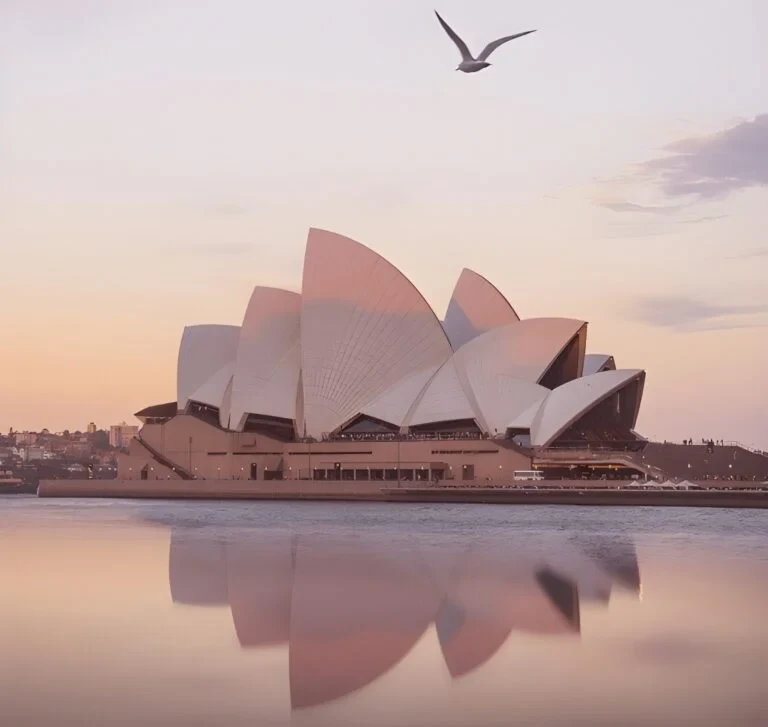
Also don’t skip places like Oslo (Capital City), that has The Opera House and floating saunas in the harbor and Bergen which is the historic gateway to the fjords.
When To Visit
The best time to visit Norway is during summer (June to August) and winter (December to March), depending on the experience you want.
Summer offers long daylight hours, mild temperatures, and ideal conditions for fjord cruises, hiking, and road trips. It’s the most popular season for outdoor activities.
Winter is perfect for snow sports and seeing the Northern Lights, especially in northern Norway. The landscapes are covered in snow, creating a magical atmosphere.
Spring (April to May) brings melting snow, blooming scenery, and fewer crowds.
Autumn (September to October) offers colorful landscapes and quieter travel, though days become shorter.
Best overall months: June, July, August, and February.